

Wire Rod Buying Guide: Diameter Tolerance, Surface Quality and Mill Certificates
Buying wire rod is different from buying most other steel products. The rod is not the final product; it is the raw material for your drawing line, and its quality decides your production yield before you draw a single meter. A coil that fails in the die costs you downtime, material, and customer trust. This guide gives you a practical inspection checklist based on the factors that actually matter: diameter tolerance, surface quality, coil condition, and documentation. Wire rod is hot-rolled to a nominal diameter, and every standard allows a tolerance band. If the rod is oversize or undersize beyond the band, your drawing reduction ratios change, dies wear unevenly, and final wire properties drift. Wire rod is hot-rolled, so some scale is normal. The problems to watch for are defects that survive drawing and cause breaks: deep seams, laps, scratches, and heavy scale that did not come off cleanly. A coil that is damaged in transit can ruin your whole production batch. Inspect before you unload, and photograph any damage for the shipping claim. Confirm coil weight matches the packing list. Typical wire rod coils range from about 1 to 2.5 metric tons depending on the mill and diameter. Check that steel straps are intact and tight. Loose strapping means the coil may have shifted during sea transport. For long sea voyages, coils should be protected against condensation and rain. Check for water stains or fresh rust on arrival. Never accept a shipment without the mill test certificate (MTC). This document is your legal evidence of the chemistry and mechanical properties, and it is essential for traceability if a problem appears later. Heat number, grade, and coil numbers on the certificate must match the physical coils and the packing list. Carbon, manganese, phosphorus, and sulfur must fall inside the grade range you ordered. The certificate should reference the standard the rod was produced to (SAE, ASTM A510, GB/T 14981, JIS G3505, or EN). Your customers may request your raw material certificates when you sell finished wire, so keep MTCs for at least the warranty period. No certificate can tell you how a coil behaves in your specific drawing line. Before committing to a large order, run one trial coil under your normal production conditions. Wire rod is usually hot-rolled in 5.5 mm to 16 mm diameters. The 5.5 mm and 6.5 mm sizes are the most common starting points for drawing lines. Light surface oxidation after sea transport is normal and usually removable by pickling or mechanical descaling. Pitting or heavy flaking rust is not acceptable and affects drawing quality. Yes. Buyers in Africa and the Middle East commonly arrange SGS, BV, or Intertek inspection at the loading port. We can coordinate the inspection schedule and provide all required documents. Since 2015, our company has supplied wire rod to buyers across 118 countries and regions, with Africa and the Middle East as core markets. Every shipment includes mill test certificates, stable packing for sea transport, and the option of third-party inspection before loading. Tell us your diameter, grade, and volume, and we will send a quotation with full specifications. You can also read more of our wire guides, review our wire rod products, or contact our team directly.Wire Rod Buying Guide: Diameter Tolerance, Surface Quality and Mill Certificates
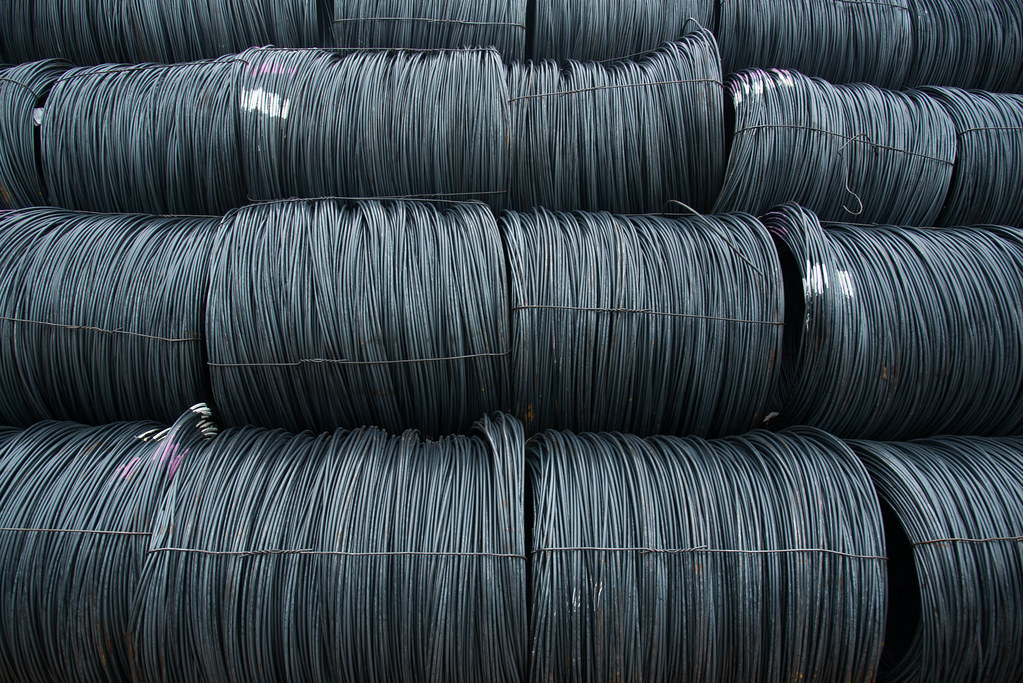
1. Diameter Tolerance: The First Thing to Verify
Diameter Checklist
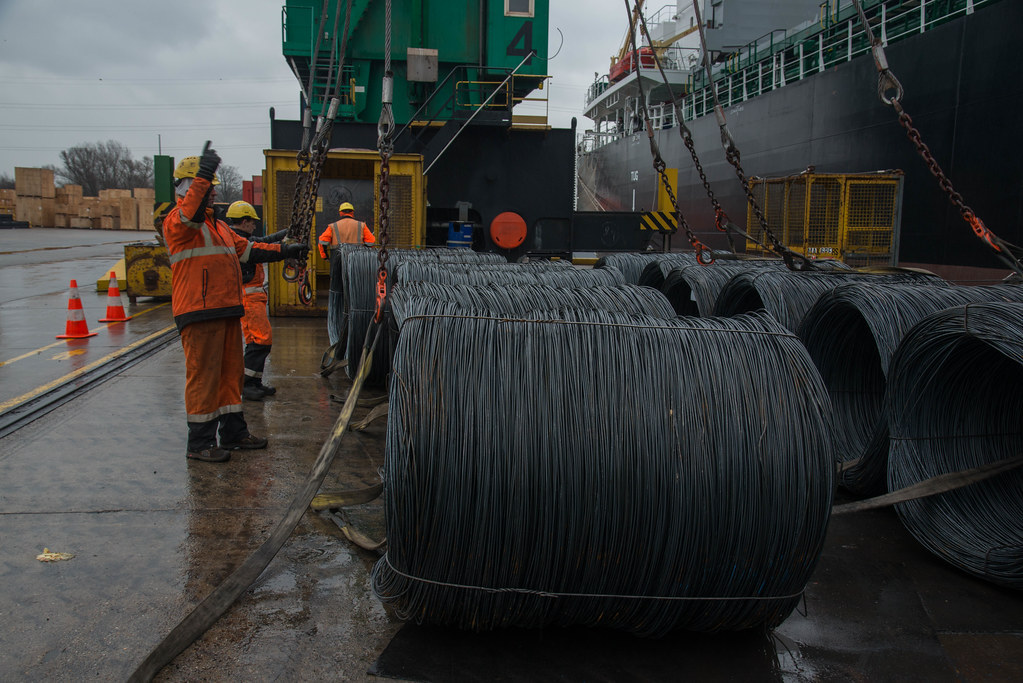
2. Surface Quality: What You Can See Tells You a Lot
3. Coil Condition and Packing
Coil Weight
Strapping
Moisture Protection
4. Mill Test Certificates: Your Proof of Quality
Check identity
Check chemistry
Check the standard
Keep it on file
5. The Trial Coil Test: The Only Proof That Matters
Trial Coil Test Protocol
Frequently Asked Questions
What is the typical diameter range for wire rod?
How much surface rust is acceptable?
Can I order a third-party inspection before shipment?
Buy with Confidence, Draw without Surprises