

Steel Pipe Schedule and Wall Thickness: SCH 40, SCH 80 and Beyond
Steel Pipe & Tube Guide
Steel Pipe Schedule and Wall Thickness: SCH 40, SCH 80 and Beyond
Pipe schedule is a designation used to organize wall-thickness options for nominal pipe sizes. It is not a universal wall thickness by itself. For the same nominal pipe size, a higher schedule commonly means a thicker wall and a smaller inside diameter, while the outside diameter generally remains tied to the applicable dimensional standard. The exact dimensions must always be checked against the specified standard, edition, material specification and order documents.
What Pipe Schedule Means
A schedule helps buyers, engineers and suppliers refer to a recognized wall series. The designation works together with NPS or DN terminology and a dimensional standard; it cannot replace them.
- Nominal size: the ordering size, not necessarily a direct measured diameter.
- Outside diameter: normally established for that nominal size by the governing dimensional system.
- Wall thickness: selected through the applicable schedule or an explicitly stated thickness.
- Inside diameter: follows from outside diameter and actual wall thickness, subject to tolerances.
How OD, Wall and ID Relate

For one NPS, moving to a higher schedule commonly increases nominal wall thickness. Because the outside diameter generally stays associated with that nominal size, the inside diameter becomes smaller. This relationship matters for weight, flow area, machining, connection details and material quantity.
However, schedule series are not identical across every nominal size, material family or standard. Some designations may not be available in every size, and tolerances affect the actual delivered wall. For reliable purchasing, use the table and edition referenced by the project or purchase specification.
SCH 40, SCH 80 and Beyond
SCH 40 and SCH 80 are widely recognized, but a complete specification should not stop at either label. Other schedule series and special wall designations may apply. A schedule that is common for one nominal size may correspond to a different numerical wall thickness at another nominal size.
SCH 40
A common schedule designation across many piping applications. Its actual wall thickness depends on nominal size and the applicable dimensional table.
SCH 80
For the same NPS, it commonly indicates a thicker wall than SCH 40 and therefore a smaller ID. Suitability still depends on design requirements and the selected material standard.
Other Series
Lighter, heavier and special wall options exist. Availability, manufacturing route, material and project specifications should be confirmed before ordering.
Why a Universal Schedule Chart Can Mislead
A chart detached from its source may omit the standard, edition, unit basis, material scope or tolerances. It may also imply that one schedule has one wall thickness across all pipe sizes. Instead of copying an unverified universal value, record the source document and confirm that it applies to the ordered pipe.
Check these five items together
- Nominal size stated as NPS or DN, with units and terminology clear.
- Schedule designation or explicit nominal wall thickness.
- Applicable dimensional standard and required edition.
- Material specification, grade, manufacturing route and service requirements.
- Length, ends, coating, testing, marking, packing and inspection documents.
Confirm Schedule and Wall Thickness in RFQs, POs, MTCs and Standards
The RFQ and purchase order should use the same dimensional language. If both schedule and wall thickness are stated, they must agree under the cited standard. Before production or shipment, compare the supplier confirmation and material test certificate with the order requirements, while recognizing that an MTC is not a substitute for dimensional inspection.
RFQ: state product, NPS/DN, schedule or wall, standard/edition, material/grade, length, ends and quantity.
PO confirmation: resolve conflicts between schedule, explicit thickness and drawings before manufacture.
Documents: check markings, packing list, MTC and inspection records against the PO.
Physical verification: use approved inspection methods, calibrated equipment and the specified tolerance criteria.

Frequently Asked Questions
Is SCH 80 always twice as thick as SCH 40?
No. Schedule designations are not simple multipliers. The numerical wall thickness must be read for the nominal size in the applicable standard.
Does a higher schedule change the pipe outside diameter?
For the same NPS within the same dimensional system, the outside diameter generally remains the same while wall thickness increases and inside diameter decreases. Verify the exact standard and size.
Can a photograph identify SCH 40 or SCH 80?
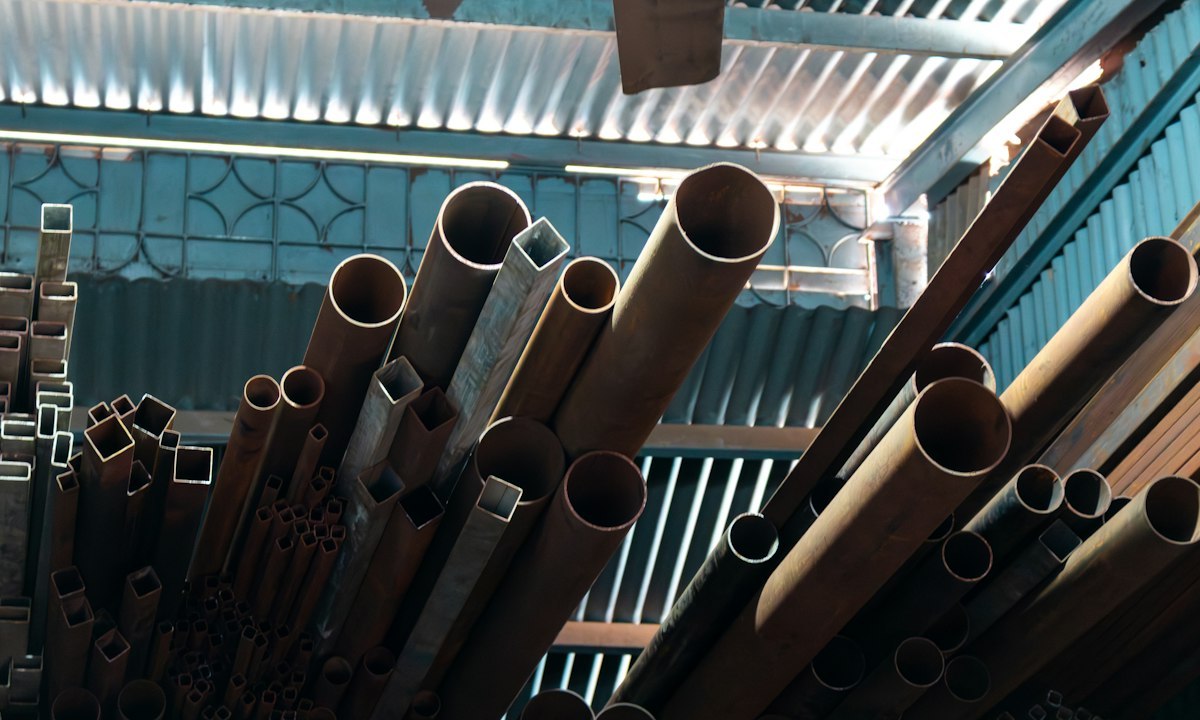
No. Perspective, scale and tolerances make visual identification unreliable. Use traceable documents and approved dimensional inspection.
Should an RFQ state schedule or wall thickness?
State the dimensional requirement clearly. Where schedule is used, include nominal size and the governing standard. An explicit wall thickness may also be included if it is checked for consistency.
Ordering Takeaway
Use pipe schedule as one part of a complete dimensional specification. For the same NPS, a higher schedule commonly means a thicker wall and a smaller ID, but the exact values depend on the applicable standard, edition and nominal size. Align the RFQ, PO, drawings, supplier confirmation, MTC and inspection criteria before accepting the pipe.