

Shipping Wire Rod Coils: Packing, Bundling and Sea Freight Tips
Wire rod is heavy, dense, and unforgiving in transit. A single damaged coil can cost you days of production, and a poorly packed container can shift during a rough voyage across the Indian Ocean or through the Red Sea. For buyers in Africa and the Middle East importing wire rod from China, understanding packing and shipping is as important as the steel itself. This guide covers what happens between the mill and your warehouse. Wire rod is produced as coils, typically weighing between 1 and 2.5 metric tons each depending on the mill and diameter. Standard export packing follows a consistent pattern: Coils are tightly strapped with steel bands at multiple points to prevent the coil from loosening and the inner wraps from shifting. For sea freight, coils are often wrapped with waterproof paper or fabric to protect against condensation and salt spray during the voyage. Each coil carries a tag with grade, heat number, diameter, and coil weight, matching the packing list and mill certificate. Wire rod is one of the densest cargoes you can ship. This affects container choice and cost more than volume. A 20ft container is usually the most economical for wire rod because steel's density fills the weight limit before the volume limit. Confirm the exact payload with your supplier, as axle and port limits vary. Coils can roll, slide, and crush each other if not secured. Good loading practice is the difference between arrival in perfect condition and arrival with damaged inner wraps. Mix orientation creates gaps that let coils shift. Choose one method and follow it for the whole container. Timber bracing between coils and at the door prevents lateral movement during rolling. Anchor points on the container floor keep the load in place even in heavy seas. Concentrating all coils on one side can exceed the container's floor load rating. Most wire rod from China to these regions travels via major transshipment hubs. Typical routes and rough transit times give you a planning baseline, but always confirm with your forwarder. Requirements vary by destination. Some African and Middle Eastern countries require additional certificates such as PVoC (Kenya), CoC (Nigeria), or SASO (Saudi Arabia). Confirm the import requirements before the goods leave the mill. Inspect the cargo at the port or your warehouse before signing the delivery receipt. Photograph any damage immediately for the insurance claim, and check that coil counts and weights match the packing list. It depends on coil weight and diameter, but a typical 20ft container carries 10 - 20 wire rod coils within its weight limit. Your supplier can calculate the exact count for your specification. Light surface oxidation on outer wraps is common and acceptable. Heavy rusting or pitting usually indicates poor wrapping or water ingress, and should be claimed. Yes, mixed loading is common. Heavier coils should go at the bottom and be braced so lighter products are not crushed. Since 2015, our company has shipped wire rod and steel products to 118 countries and regions, with Africa and the Middle East as core markets. Our standard export packing is designed for long sea voyages, and we coordinate loading, documents, and inspections so your cargo arrives ready for your drawing line. Tell us your destination port and volume, and we will plan the most economical shipping solution. You can also read more of our steel guides, review our wire rod products, or contact our team for a shipping quotation.Shipping Wire Rod Coils: Packing, Bundling and Sea Freight Tips
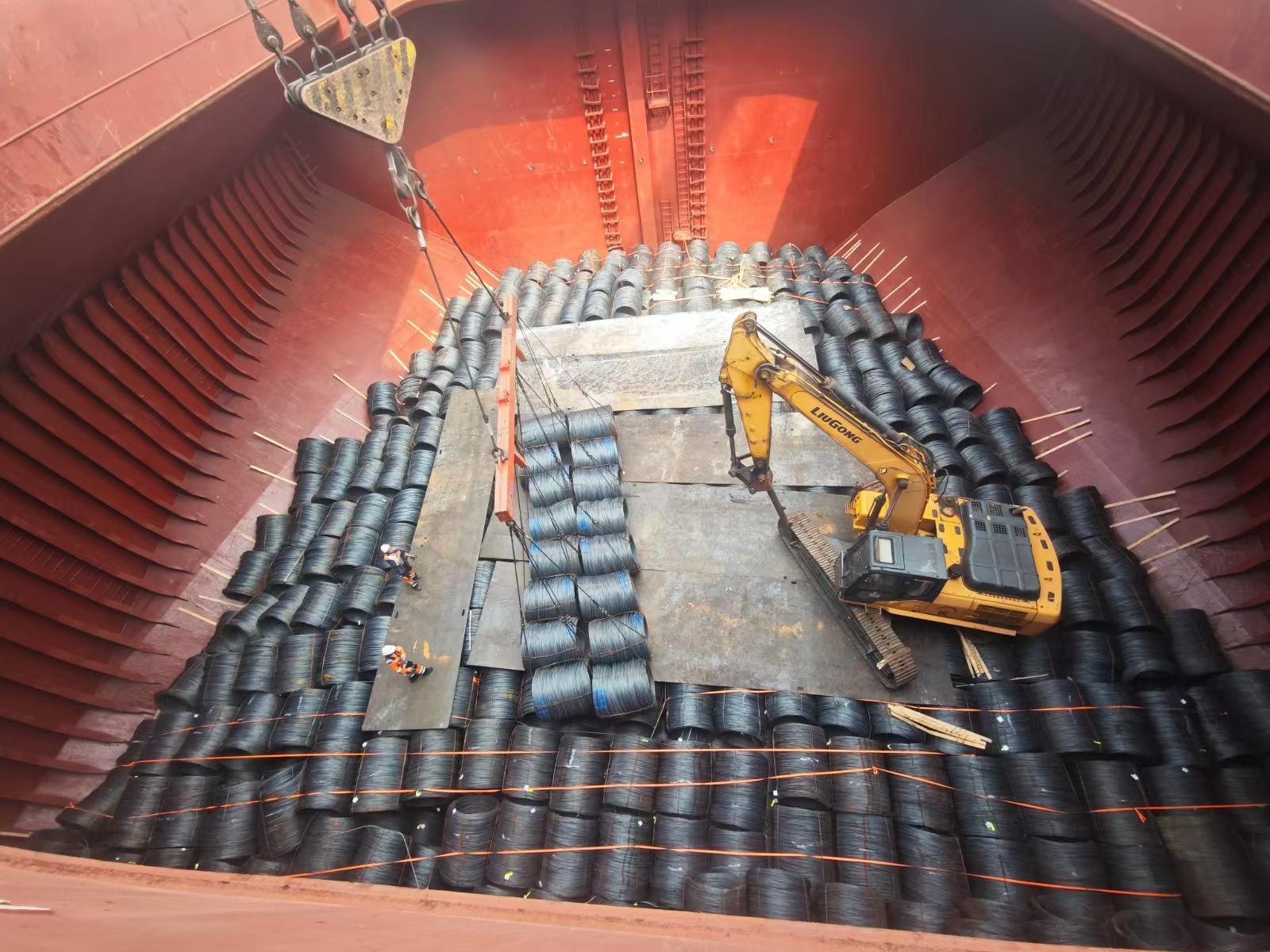
How Wire Rod Coils Are Packed
Strapping
Wrapping
Marking
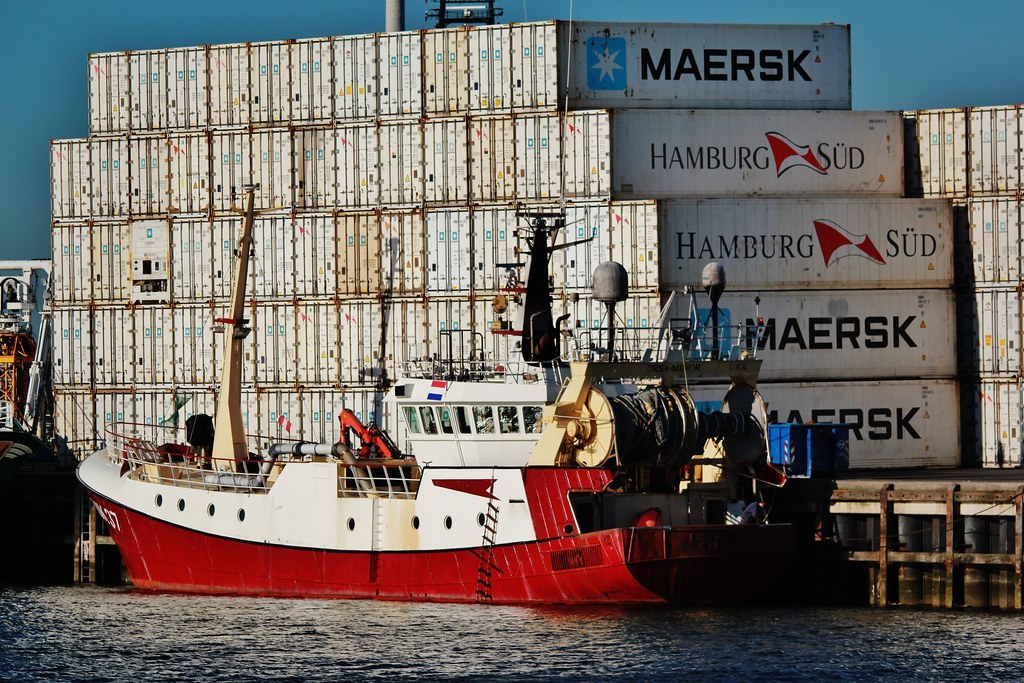
Container Loading: 20ft vs 40ft and Weight Limits
Container Typical Payload Range Best For 20ft standard ~20 - 28 metric tons Most wire rod orders; better weight utilisation per dollar 40ft standard ~25 - 28 metric tons Bulkier mixed cargo or when weight limit is not reached Break bulk / bulk vessel 500 - 20,000+ metric tons Large project volumes, often to major African and Middle East ports Securing Coils Inside the Container
Load coils upright or on their side consistently
Use wooden dunnage and chocks
Lash with steel straps or belts
Distribute weight evenly
Shipping Routes and Transit Times to Africa and the Middle East
Documents You Need for Clearance
Standard Export Document Set
Receiving and Inspecting on Arrival
Frequently Asked Questions
How many coils fit in a 20ft container?
Is rust during sea transport normal?
Can I combine wire rod with other steel products in one container?
Ship with a Supplier Who Handles the Details