
Seamless vs ERW Carbon Steel Pipe for Pressure and Mechanical Service
Seamless and ERW carbon steel pipe are different manufacturing routes, not a universal ranking of strong versus weak. Seamless pipe is formed without a longitudinal weld, while electric resistance welded pipe is formed from strip and joined along a controlled longitudinal seam. The correct choice depends on the governing standard, grade, dimensions, service conditions, testing, availability, and project acceptance criteria.
For pressure and mechanical service, buyers should avoid selecting by route name alone. A compliant ERW pipe can be the appropriate product for one duty, while seamless may be specified for another. The purchase order, applicable code, and current standard edition must define the final requirement.
How the Two Manufacturing Routes Differ
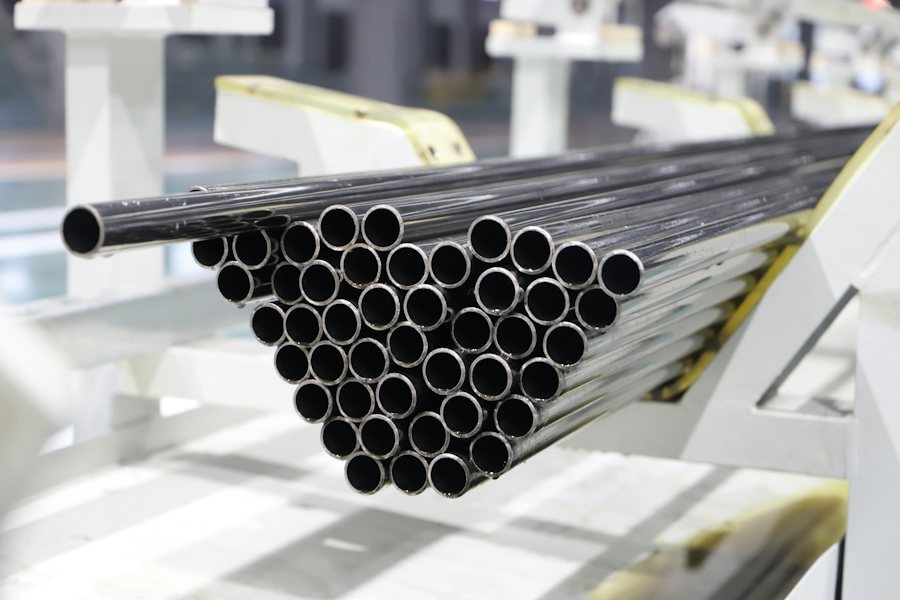
Seamless route
A solid starting form is pierced and elongated into a hollow section, then sized and finished through the process defined by the product specification. There is no longitudinal weld seam.
ERW route
Steel strip is progressively formed into a round section. The longitudinal edges are heated by electrical resistance and pressure-forged together, followed by seam treatment, sizing, and specified inspection.
The route affects how process control and inspection are organized, but it does not remove the need to evaluate the finished product against the same purchasing fundamentals: chemistry, mechanical properties, dimensions, surface condition, heat treatment where required, hydrostatic or nondestructive testing, marking, and traceability.
Do not judge ERW pipe by whether a visible line can be seen in a photograph. Modern seam finishing may make the external line subtle, while acceptance depends on the manufacturing and inspection requirements in the governing specification. Likewise, the absence of a weld does not by itself prove that a seamless pipe meets a particular pressure or mechanical duty.
Pressure Service: Start with the Governing Specification
Pressure suitability is established by the complete design and compliance basis, not by the word “seamless” or “ERW.” The system designer or purchaser normally identifies the applicable code, product specification, grade, outside diameter or nominal size, wall thickness, temperature range, joining method, corrosion allowance, and required examination.
| Purchase check | Why it matters | What to state or verify |
|---|---|---|
| Product standard | Defines permitted routes, dimensions, properties, tests, and marking | Standard designation and required edition |
| Grade and condition | Controls chemical and mechanical requirements | Grade, type, heat-treatment or delivery condition where applicable |
| Size and wall | Links the offered pipe to design and dimensional requirements | NPS/DN or outside diameter, schedule or wall thickness, length |
| Inspection | Confirms the required acceptance route | Hydrostatic test, NDT, dimensional checks, supplementary tests |
| Documentation | Supports traceability and project review | MTC type, test reports, marking, heat or lot traceability |
Some specifications allow both seamless and welded products; others, project specifications, or service rules may narrow the permitted route. Never substitute one route for another solely because the nominal dimensions appear equal. Obtain engineering or purchaser approval where the order documents specify a route.
What the Weld Seam Changes in Inspection
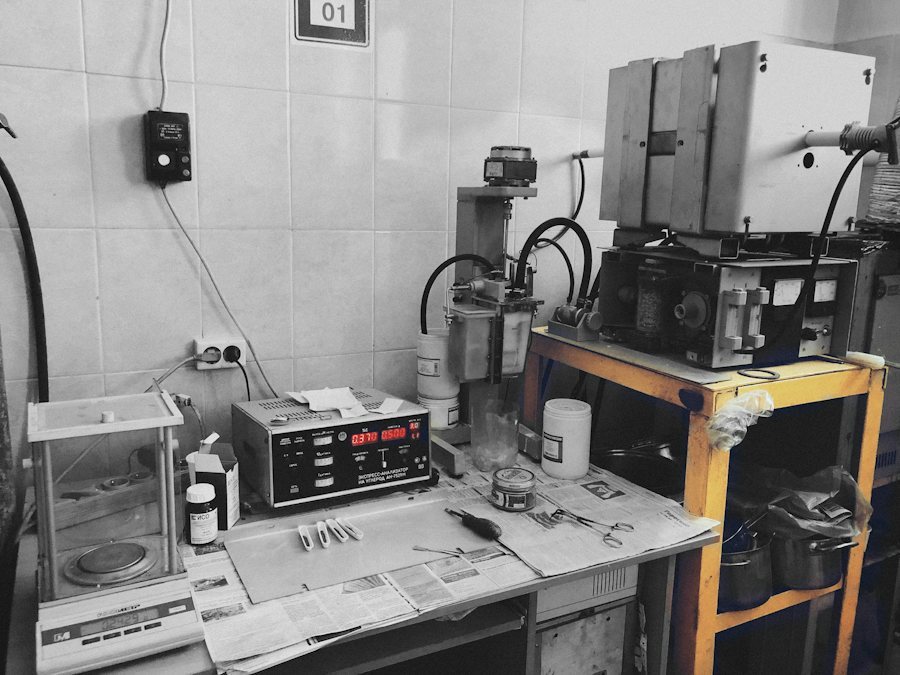
ERW production creates a longitudinal joint that requires controlled edge preparation, heating, forging, bead treatment, and inspection. The relevant standard may prescribe nondestructive examination of the weld area, hydrostatic testing, flattening or other process-related tests, and acceptance limits. The exact method and coverage must come from the cited specification and purchase order.
Seamless pipe has no longitudinal weld to examine, but it still requires inspection for defects associated with its own forming route and finishing operations. Surface examination, dimensional control, hydrostatic or nondestructive testing, mechanical tests, and traceability remain important.
- Ask what was tested: whole body, weld area, ends, or a specified sampling plan.
- Ask which method and acceptance basis applied: do not accept “NDT passed” without the governing requirement.
- Match certificates to markings: heat, lot, size, grade, and route should be traceable.
- Confirm supplementary requirements before quotation: late additions can change availability, cost, and lead time.
Dimensional Consistency and Mechanical Fabrication
ERW production from controlled strip can support consistent outside diameter and wall behavior across high-volume size ranges, while seamless availability and tolerances depend on the mill route, dimension, wall, and applicable specification. This is a sourcing observation, not a blanket tolerance guarantee. The actual permitted variation must be read from the governing document.
For machining, bending, threading, grooving, welding, or assembly, tell the supplier which feature controls downstream performance. Outside diameter, wall thickness, inside clearance, ovality, straightness, end squareness, surface condition, and weld-bead condition may matter differently for each operation.
For pressure systems
State code and service basis, size, wall, ends, joining method, test requirements, coating or lining, and documentation.
For mechanical parts
State actual critical dimensions, machining allowance, straightness, surface expectations, cut length, and downstream operations.
For fabricated structures
State grade, dimensions, length, weldability requirements, tolerances, surface condition, and inspection documents.
Availability, Specification and Cost Drivers
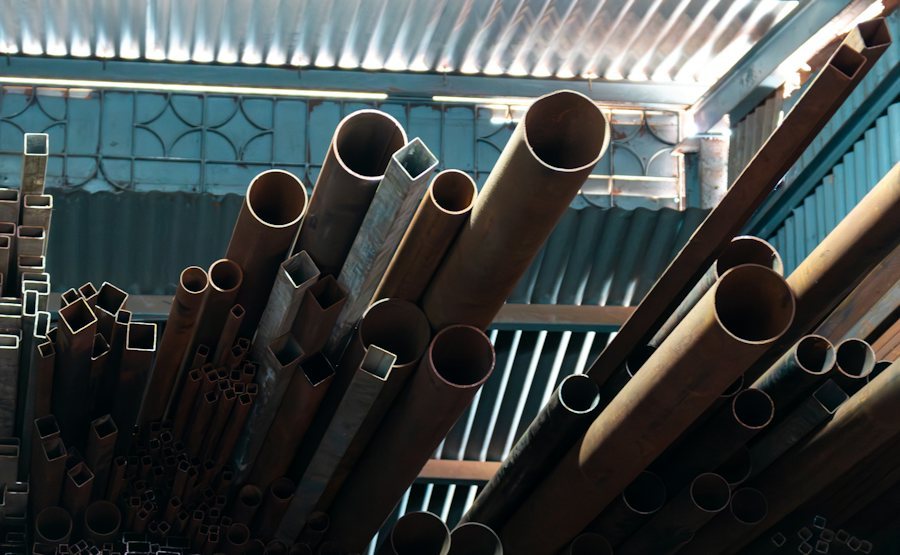
ERW is often widely available and commercially efficient in common high-volume ranges, while seamless may be preferred or required in selected specifications and services. However, route alone does not determine the final quotation. Market availability changes by grade, diameter, wall, length, quantity, mill schedule, testing, and destination.
- Standard and grade: less common combinations may require a dedicated mill schedule.
- Diameter and wall: the practical manufacturing range differs by route and producer.
- Quantity: mill minimums and stock availability can outweigh a simple per-ton comparison.
- Testing and certificates: supplementary NDT, third-party inspection, and document requirements add time and cost.
- Length and ends: fixed lengths, tight cutting tolerances, beveling, threading, or grooving affect processing.
- Coating and logistics: surface protection, packing, bundle limits, and destination handling influence delivered cost.
Questions Buyers Ask About Seamless and ERW Pipe
Is seamless pipe always stronger than ERW pipe?
No universal statement is reliable. Strength and suitability depend on grade, dimensions, manufacturing quality, heat treatment where applicable, tests, defects, design conditions, and compliance with the governing standard.
Can ERW pipe be used for pressure service?
Yes, where the applicable code, product specification, project documents, dimensions, grade, and inspection requirements permit it. The purchaser must verify the exact service and acceptance basis.
Does seamless pipe require less inspection?
It removes a longitudinal weld seam from consideration, but the pipe body, surface, dimensions, properties, ends, marking, and traceability still require the inspections specified for the product and service.
Which route is more economical?
ERW may be commercially attractive in many common size ranges, but the actual result depends on grade, wall, quantity, stock, mill minimums, testing, processing, and freight. Request like-for-like quotations.
Buying Takeaway
Choose seamless or ERW by translating the service and fabrication need into a controlled specification. Confirm whether each route is permitted, then evaluate the offered pipe through grade, dimensions, process condition, inspection, certificates, availability, and delivered cost. This avoids the costly assumption that one manufacturing label automatically guarantees fitness for every pressure or mechanical application.
For related dimensional terminology, see the Steel Pipe & Tube Guide. For a quotation, provide the full specification, grade, size, wall, length, quantity, service, inspection documents, coating, and destination through the contact page.