

Scaffold Tube Procurement: Dimensions, Coupler Compatibility and Traceability
Scaffold tube procurement
A scaffold tube order is acceptable only when the tube, couplers, fittings and intended scaffold system are evaluated together. A familiar product name, a galvanized appearance or a nominal dimension is not enough. The buyer should identify the governing system documents, exact dimensional basis, tube condition, connection components, traceability requirements and site controls before comparing quotations.
Direct answer
Start with the scaffold designer, system owner or competent authority's approved requirements. Translate those requirements into tube outside diameter, wall thickness, length, tolerances, end condition, material and coating specification, straightness, marking, bundle identity, certificates and permitted couplers. Require the supplier to list every deviation. Do not infer compatibility, load capacity or compliance from a photograph or from the terms “scaffold tube,” “GI pipe” or “Q235” alone.
Treat compatibility as a system decision

Scaffold performance depends on the complete arrangement: tube geometry and condition, coupler or fitting type, joint behavior, spacing, bracing, foundations, ties, platforms, loading, erection sequence and inspection. Procurement therefore begins with approved design and system inputs rather than a standalone tube catalogue.
System input
Record whether the project uses a tube-and-coupler arrangement or another proprietary system, who owns the design, and which drawings, standards, regulations and manufacturer instructions govern.
Connection input
Identify the permitted coupler or fitting types and their required interface with the tube. Confirm that mixed components are allowed before purchase, not after arrival.
Acceptance input
Define document review, incoming inspection, quarantine and release responsibilities. A supplier's offer does not replace project approval.
Technical boundary: this guide supports purchasing and receiving. Scaffold design, load assessment, erection, alteration and use must remain under the responsible competent parties and applicable project rules.
Translate the scaffold system into tube order fields
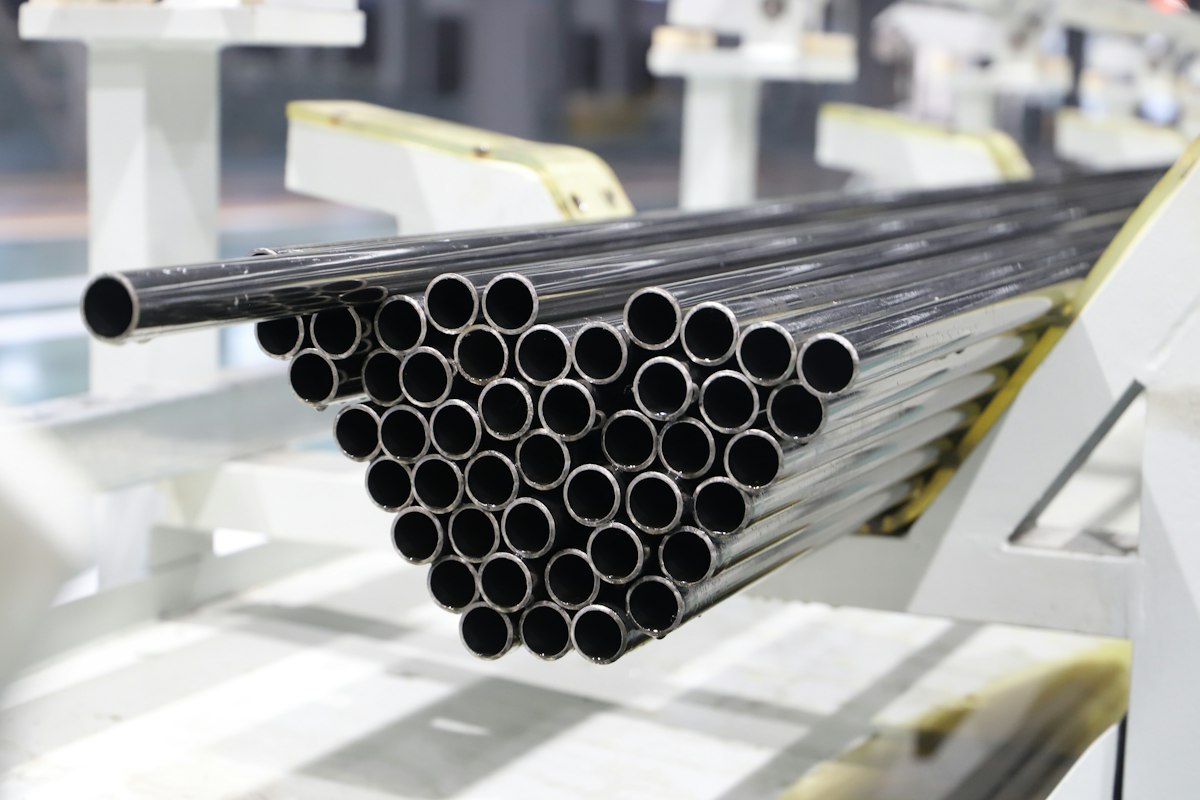
Write each requirement as a measurable or document-controlled field. Avoid relying on trade names when the project needs an exact interface. The applicable standard and edition, approved system information, drawings, RFQ and purchase order must control the final values.
| Order field | What the buyer should state | What to reconcile at receipt |
|---|---|---|
| Product and system role | Scaffold tube use, system type and approved component family. | Delivery description matches the PO and approved system list. |
| Dimensional basis | Outside diameter, wall thickness, length and applicable tolerances; do not substitute a nominal pipe label. | Sampling method, calibrated measurements and recorded results follow the inspection plan. |
| Material requirement | Governing material standard and edition, grade or property requirement, and any approved alternatives. | Markings and certificates reconcile to the PO and bundle identity; documents, not appearance, establish material. |
| Surface and coating | Required finish or coating specification, coverage, permitted repair and acceptance method. | Check visible condition under the agreed criteria and reconcile coating records where required. |
| Ends | Cut condition, burr control, caps or other protection, and whether ends must suit a specified fitting. | Look for deformation, sharp damage, contamination and transport impact before release. |
| Straightness and damage | Applicable tolerance and rejection or quarantine process. | Separate bent, crushed, deeply damaged or otherwise suspect tubes for competent review. |
| Identification | Tube marking, bundle tag, heat or batch link, quantity and document references. | Trace each released bundle back to the accepted certificate and PO line. |
Check coupler fit without assuming compatibility
Couplers and fittings need an approved interface with the tube and scaffold arrangement. A clamp that can physically close around a tube is not automatically suitable. Procurement records should connect the tube dimensions and condition to the permitted coupler specification, manufacturer instructions and system design.
- 1Identify the approved component. Record coupler type, source, governing document and any restrictions on mixing manufacturers or systems.
- 2Compare interface requirements. Reconcile the tube outside diameter, surface condition and any dimensional limits with the coupler documentation.
- 3Control the sample. Where the project requires a trial or inspection, use identified production-representative components and a documented method approved by the responsible party.
- 4Record disposition. Accept, quarantine or reject through the project process. Do not modify components in the field to force a fit unless an approved procedure expressly permits it.
Do not use visual shortcuts
- Do not identify an exact outside diameter or wall thickness from a photograph.
- Do not treat coating color or brightness as proof of coating route or thickness.
- Do not infer coupler capacity, tube grade or system compliance from an assembled appearance.
- Do not approve mixed components because their trade names sound equivalent.
Inspect condition before tubes enter the system
Receiving inspection should find damage that can affect handling, connection or traceability, then route uncertain items for competent disposition. The PO and inspection plan should define the sampling, tools, acceptance criteria, records and authority. This article does not create replacement tolerances.
Tube body
- Check for bends, local crushing, deep mechanical damage, severe corrosion or contamination.
- Confirm the inspection covers the full accessible length and not only the visible bundle ends.
- Quarantine questionable material rather than attempting an undocumented repair.
Ends and surface
- Check for distorted ends, sharp burrs, damaged protection and coating condition.
- Apply the specified coating and surface criteria; appearance alone does not establish compliance.
- Keep photos tied to bundle and inspection references.
Bundle and count
- Reconcile bundle quantity, tag, tube markings and packing list.
- Check straps and supports before movement, using the site's safe lifting plan.
- Record shortages, mixed identities and transit damage before releasing stock.
Make traceability survive delivery and site handling

Traceability is useful only when the physical material, bundle identity and accepted documents remain linked. Define the chain before shipment, then preserve it when bundles are split or moved on site.
A material test certificate is evidence to be checked against the contract; it is not, by itself, proof that a complete scaffold design or erected scaffold is compliant.
Use a scaffold tube procurement checklist
| Decision gate | Buyer question | Required output |
|---|---|---|
| System authority | Who approves the scaffold arrangement and permitted components? | Named responsible party and governing document list. |
| Tube definition | Are OD, wall, length, tolerances, material, surface and ends stated unambiguously? | Complete PO specification with edition references. |
| Coupler interface | Are the couplers or fittings approved for this exact tube and system? | Approved component schedule and declared deviations. |
| Evidence | Which markings, certificates, inspection records and photos are contractually required? | Document schedule with review and release points. |
| Damage control | How are bent, crushed, corroded, unmarked or mixed tubes handled? | Quarantine and disposition procedure. |
| Site preservation | How will bundles be unloaded, stored, split and reidentified? | Handling, storage and traceability plan. |
Suggested RFQ instruction: “State the offered scaffold tube standard and edition, material designation, outside diameter, wall thickness, length, tolerances, end condition, surface or coating specification, markings, bundle identification, certificates and permitted coupler or system interface. List all deviations separately. Compatibility and final acceptance remain subject to the project's approved scaffold documents and receiving inspection.”
Scaffold tube buying FAQ
Can ordinary galvanized pipe be substituted for scaffold tube?
Not from the name or appearance alone. The responsible project party must verify the exact dimensional, material, connection, condition, documentation and system requirements before approving any alternative.
Does matching outside diameter prove a coupler is compatible?
No. Diameter is one interface input. The approved coupler documentation, tube condition, surface, system design and applicable requirements must also be satisfied.
Can a photo confirm Q235 material or a scaffold standard?
No. Confirm material and standard claims through the PO, applicable standard edition, markings, MTC and traceable inspection records. Photos provide context and condition evidence only.
What should happen to a tube with a damaged or unreadable identity?
Segregate it under the site's quarantine process and obtain documented disposition from the responsible party. Do not restore an identity by assumption.
When should compatibility be checked?
During specification and technical bid review, then again through receiving controls using the approved documents and identified components. Waiting until erection creates avoidable technical and schedule risk.
Procurement conclusion
Buy scaffold tube as one controlled part of an approved scaffold system. Convert the system requirements into exact tube fields, reconcile the permitted couplers, define condition checks and preserve traceability from certificate to site stock. Technical acceptance must come from the applicable standards, approved drawings, RFQ, PO, manufacturer or system documents and project inspection records, never from a generic photograph.