

RAL Colors for PPGI Roofing and Wall Panels: A Buyer’s Guide
RAL Colors for PPGI Roofing and Wall Panels
RAL color references help buyers communicate the intended appearance of prepainted galvanized steel, but a color code alone is not a complete PPGI specification. Gloss, texture, paint chemistry, coating thickness, substrate, lighting and production batch can all influence the installed result.
This guide explains how to use RAL references responsibly when ordering roofing and wall panels, how to approve samples, and how to reduce avoidable shade disputes.
What a RAL Reference Does—and Does Not—Define
A RAL code is a standardized color reference used for communication between designers, buyers, coaters and fabricators. It does not, by itself, define the steel grade, metallic coating, primer, topcoat resin, dry-film thickness, gloss level, texture, weathering performance or forming suitability.
| Item | Why it matters |
|---|---|
| RAL color reference | Communicates the target hue under the relevant reference system. |
| Gloss and texture | Change reflected light, perceived saturation and how surface irregularities appear. |
| Paint system | Influences color stability, adhesion, forming behavior and environmental performance. |
| Substrate and coating build | Can affect opacity, appearance, corrosion protection and downstream fabrication. |
Coordinate Roof and Wall Panel Colors
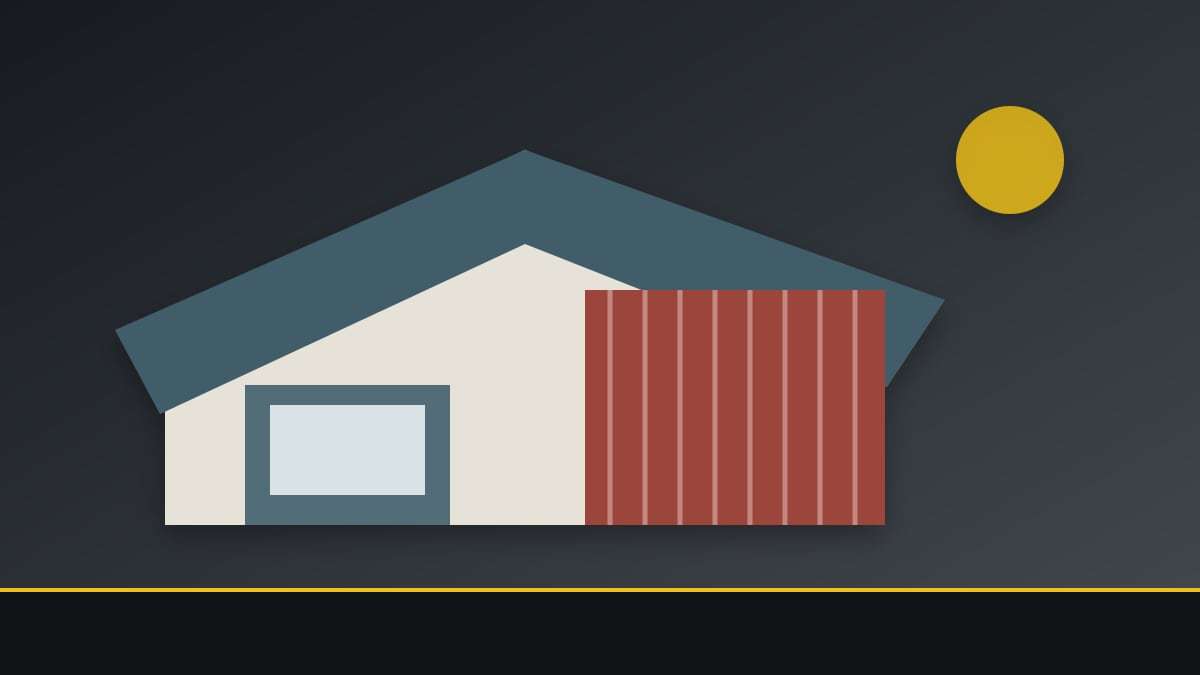
For a building envelope, color selection is usually a composition decision rather than a single-code decision. Consider the roof, wall cladding, trims, flashings, doors and adjacent materials together. A dark roof may increase visual weight; a low-saturation wall can make trim colors more prominent; and nearby masonry, glazing or landscaping can change the perceived balance.
Single-color scheme
One principal color can create a consistent envelope, but variation in gloss or orientation may still make roof and wall surfaces look different.
Two-color scheme
Use one dominant envelope color and one restrained accent for trims or selected wall zones. Confirm that both colors are available in the same coating system.
Neutral plus accent
Neutral gray, beige or off-white walls can be paired with a stronger roof or trim color, subject to heat, glare and local design requirements.
Panel orientation
Rib direction, viewing angle and sunlight can alter highlights. Approve samples in the orientation closest to the installed profile.
Why Screen and Printed Chart Colors Can Mislead
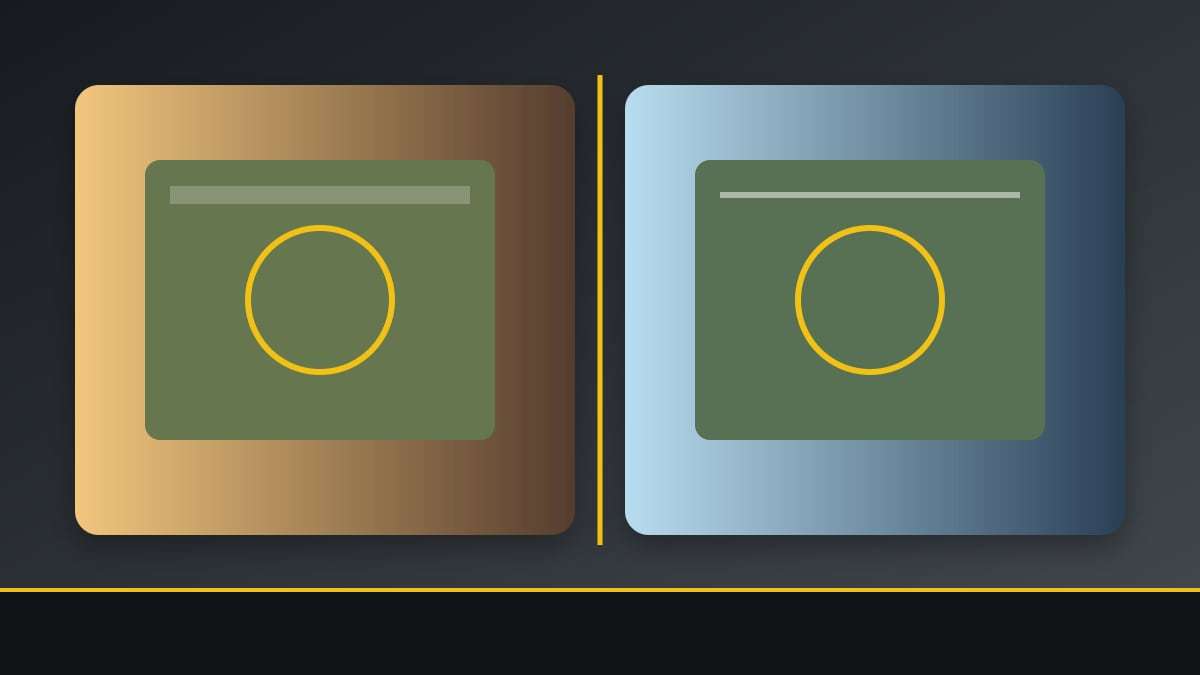
Digital displays, printed swatches and physical coated panels do not reflect light in the same way. Metamerism can make two samples appear matched under one illuminant and different under another. Gloss and texture also change the amount and direction of reflected light.
- 01
Use the RAL reference as a starting point
Record the exact code and reference system, then identify the required finish rather than treating the code as the whole order.
- 02
Request a representative coated sample
Ask for the same or technically comparable substrate, paint system, gloss and texture intended for production.
- 03
Review under controlled and natural light
Compare the sample under agreed lighting and, where practical, in daylight similar to the building site.
- 04
Record the approval
Keep the sample identity, face, orientation, gloss, texture and acceptance notes with the purchase documents.
Specify the Complete PPGI Finish
A purchase request should connect appearance with engineering and processing requirements. State the governing product standard and steel grade separately from the color selection. Then define metallic coating, top and back coating, nominal paint thickness, gloss, texture, ordered dimensions, tolerances, forming profile and service environment.
Color
Exact RAL reference or approved physical master sample, including whether a special match is required.
Surface
Smooth, matt, textured or patterned finish, with gloss range and measurement method where contractual.
Coating
Resin family, primer and topcoat requirements, back-coat needs, metallic coating and protective film.
Application
Roofing, wall cladding, trims or panels; forming method, bend conditions, exposure and maintenance assumptions.
Do not assume that the same RAL code supplied by two producers represents identical paint chemistry, gloss or weathering performance. Compare the complete declared system.
Color Consistency Across Coils and Panels
Large elevations can reveal batch-to-batch variation more readily than small components. Discuss coil allocation before production, especially when one façade uses multiple coils or when roofing and wall panels must visually coordinate. Ask how the supplier identifies production batches and how color and gloss are checked.
- Keep visible elevations, trims and replacement stock aligned with the approved sample.
- Where possible, avoid mixing unapproved batches on one continuous sightline.
- Confirm whether the roof and wall materials use the same coating supplier, paint system and finish.
- Inspect panel orientation and protective-film removal timing before judging the final appearance.

Buyer’s RAL and PPGI Checklist
- Exact RAL code and reference system
- Approved physical color sample and revision or date
- Steel grade, standard, thickness, width and tolerances
- Metallic coating type and designation
- Topcoat, primer, back coat and nominal dry-film thickness
- Gloss range, texture and measurement method
- Roof, wall or trim application and forming profile
- Exposure conditions, maintenance and expected appearance requirements
- Batch identification, inspection documents and sample-retention plan
- Protective film, packing, storage and panel orientation requirements
Frequently Asked Questions
Is a RAL number enough to order PPGI?
No. It identifies a color target, but not the substrate, metallic coating, paint chemistry, gloss, texture, thickness or performance. Add a complete coating and application specification.
Why can the same RAL color look different on two buildings?
Differences may result from gloss, texture, viewing angle, sunlight, adjacent materials, batch, substrate and coating system. Physical sample approval and controlled batch planning reduce risk.
Should roof and wall panels use the same paint system?
They do not always have to, but using technically compatible systems can simplify appearance control. Compare their declared chemistry, gloss, texture, thickness and environmental performance rather than assuming compatibility.
Can a supplier match a color from a screen image?
A screen image is useful for discussion but is not a dependable production master. Use an exact reference and approve a physical coated sample before production.
Make Color Approval Measurable
Use RAL references to start a clear conversation, then complete the specification with finish, coating system, substrate, environment, sample approval, inspection and batch control. That process gives roofing and wall-panel buyers a more reliable path from design intent to a consistent installed appearance.