

PPGI Coil Color, Paint Coating and Surface Finish Guide
PPGI Coil Color, Paint Coating and Surface Finish Guide
Buying prepainted galvanized steel coil is not just a matter of choosing a color. The final appearance and service performance depend on the metallic-coated substrate, pretreatment, primer, topcoat, back coat, gloss, texture, forming process and exposure conditions working as one specified system.
This guide shows buyers how to describe that system clearly, approve a representative finish and reduce avoidable disputes over shade, gloss and surface quality.
What Is PPGI Coil?
PPGI is a common commercial term for prepainted galvanized steel coil. A continuous coating line applies pretreatment and organic coatings to a zinc-coated steel substrate before the coil is formed into roofing, cladding, appliance panels or other components. The abbreviation alone does not define the base steel grade, zinc coating, paint chemistry, dry-film thickness or warranty.
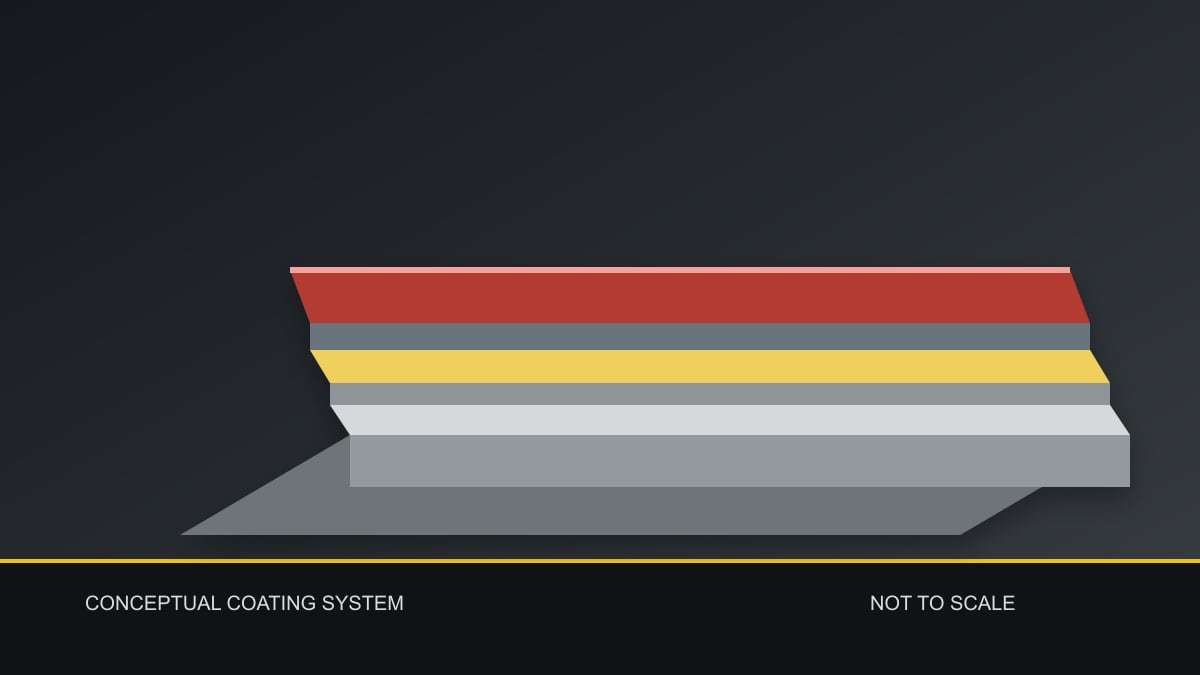
Specify the Complete Coating Build
| Part of the system | What the buyer should state | Why it matters |
|---|---|---|
| Steel substrate | Governing standard, grade, ordered thickness and tolerances | Controls strength, formability and dimensional acceptance |
| Metallic coating | Coating type and designation under the selected standard | Supports corrosion protection beneath the paint system |
| Pretreatment and primer | Compatible system or approved supplier system | Affects adhesion and corrosion resistance |
| Topcoat | Resin family, color, nominal dry-film thickness, gloss and finish | Controls exposed appearance and much of the weathering behavior |
| Back coat | Color, chemistry and nominal thickness where relevant | The reverse side may face insulation, condensation or indoor exposure |
| Protective film | Whether required, film type and removal conditions | Temporary film can protect fabrication but is not permanent weather protection |
Ask suppliers to identify which values are nominal and which are guaranteed acceptance limits. A single total paint-thickness number can hide meaningful differences between primer, topcoat and back-coat construction.
Choosing a Color Without Creating a Shade Dispute

Color references such as an RAL number are useful starting points, but the visual result can vary with gloss, texture, coating chemistry, substrate, film thickness, viewing angle and light source. Digital screens and printed charts should not be treated as final production standards.
- 01
Define the reference
State the color system and exact code, or provide an agreed physical master sample.
- 02
Fix finish variables
Specify smooth, textured, matt or other finish together with the intended gloss range.
- 03
Approve a physical sample
Review a coated sample under controlled lighting and record which face and orientation were approved.
- 04
Set acceptance criteria
If numerical color difference is contractual, agree on the instrument, geometry, illuminant, calculation method and tolerance before production.
- 05
Control batch consistency
For appearance-critical elevations, plan coil allocation and avoid mixing unapproved production batches on one visible plane.
Gloss, Texture and Surface Appearance
Smooth finish
Offers a clean, conventional appearance but may reveal waviness, handling marks or substrate imperfections more readily under directional light.
Matt or low-gloss finish
Reduces strong reflections. “Matt” is incomplete unless the measurement angle, target range and method are agreed.
Textured finish
Creates visual depth and can reduce the visibility of minor marks, but texture may influence cleaning, forming and perceived color.
Embossed or patterned finish
Requires an approved reference because pattern scale, direction and repeat affect the installed appearance.
Match Paint Performance to the Environment
Paint names by themselves do not establish suitability. Exposure to ultraviolet light, humidity, salt, industrial contaminants, chemicals, heat and abrasion should be considered together with forming severity and expected maintenance. Ask for the coating manufacturer’s or supplier’s documented performance data for the proposed system and intended environment.
- Exterior roofing and cladding: consider UV exposure, rain, condensation, cut edges, roof pitch and local corrosivity.
- Interior sandwich panels: consider humidity, cleaning agents, food-contact or hygiene requirements where applicable, and compatibility with insulation or adhesive systems.
- Appliance and fabricated parts: consider forming, scratch resistance, color consistency and appearance under indoor lighting.
- Coastal or industrial sites: require project-specific review; a familiar color or resin label does not guarantee suitability.
Do not assume that similarly named coating systems from different suppliers, standards or product data sheets are automatically equivalent. Compare the complete declared system and test basis.
Forming, Storage and Protective Film
PPGI is normally formed after painting, so the ordered steel grade and coating flexibility must suit the bend radius, roll-forming profile and production temperature. Tool cleanliness and alignment matter because trapped particles or excessive pressure can scratch the finish.
Before fabrication
- Keep coils dry and protected from condensation.
- Use clean slings, forks and contact surfaces.
- Check the recommended minimum forming conditions.
- Confirm whether protective film is suitable for the process.
After installation
- Remove swarf and metal filings promptly.
- Avoid incompatible cleaners and contact materials.
- Remove temporary film within the agreed time and temperature window.
- Repair damage using an approved method where specified.
Quality Inspection Before Shipment

Inspection should combine document review, visual checks and agreed measurements. Instruments are useful only when their calibration, method and sampling plan match the purchase specification.
Identity and traceability
Match coil number, batch, grade, dimensions, metallic coating and paint system to the order.
Color and gloss
Compare with the approved master under agreed conditions; record instrument readings if contractual.
Film thickness
Verify primer, topcoat or total coating as the agreed method permits, rather than assuming one reading describes every layer.
Surface condition
Inspect for scratches, dents, pressure marks, contamination, coating defects and edge damage.
Formability checks
Use agreed bend, adhesion or other tests when required by the specification.
Packing
Confirm dry wrapping, edge protection, secure bands, labels and moisture-control arrangements for the route.
PPGI Purchase Specification Checklist
- Applicable product standard and steel grade
- Ordered thickness, width, tolerances, coil ID and coil mass limits
- Metallic coating type and designation
- Top and back coating system, color, finish and gloss
- Nominal and guaranteed coating-thickness requirements
- Approved color sample and any numerical acceptance method
- End use, forming profile and service environment
- Protective film, marking, packing and transport requirements
- Inspection document, test report and third-party inspection needs
Frequently Asked Questions
Is an RAL code enough to order PPGI?
No. It identifies a color reference but does not fully define gloss, texture, resin, coating thickness, substrate or acceptable color variation. Use it with an approved physical sample and a complete coating specification.
Does thicker paint always mean better performance?
Not by itself. Performance depends on coating chemistry, pretreatment, primer, adhesion, curing, exposure and workmanship as well as film thickness.
Why do two panels with the same color code look different?
Differences can come from gloss, texture, batch, substrate, viewing direction, light source and coating system. Controlled sample approval and batch planning reduce this risk.
Should protective film remain on panels during storage?
Only within the film supplier’s stated conditions. Heat, UV exposure and long storage can make film difficult to remove or leave residue, so define removal timing before use.
Make the Finish Measurable
A dependable PPGI order converts visual expectations into a controlled specification: substrate, metallic coating, paint build, color reference, approved sample, gloss, texture, tolerances, inspection and packing. For related procurement context, see the Steel Plate & Coil Guide.