

How to Choose Galvanized Steel Coil for Roofing and Fencing
How to Choose Galvanized Steel Coil for Roofing and Fencing
Galvanized steel coil for roofing and fencing should be selected as a complete specification—not by zinc coating or price alone. The right choice connects the governing standard, base-steel quality, metallic coating, dimensions, forming method, surface treatment, service environment and expected maintenance.
This guide gives overseas buyers a practical framework for comparing galvanized coil offers for corrugated roofing, roll-formed panels, welded mesh, chain-link components and other fencing products without assuming that one specification suits every application.
Start With the Finished Product and Exposure
Roofing and fencing expose galvanized steel in different ways. Roofing must shed water, tolerate forming and fastening, and manage condensation at the underside. Fencing may have cut wires, welded intersections, formed edges or ground-level exposure. Coastal salt, industrial pollution, humidity, rainfall and storage conditions can change the level of corrosion protection required.
Roofing priorities
Formability, profile geometry, thickness tolerance, coating continuity, surface treatment, fastener compatibility and drainage design.
Fencing priorities
Wire or sheet forming route, weld condition, cut-edge exposure, coating continuity, post design and contact with soil or vegetation.
Environment
Define inland, coastal, industrial, humid or arid exposure and note whether salt, chemicals or persistent condensation are expected.
Design life
State the intended service period, inspection access and maintenance plan instead of relying on a generic corrosion claim.
Choose the Correct Base-Steel Quality
The steel grade must suit the processing route. Roofing coil is commonly roll formed into corrugated or trapezoidal profiles, while fencing material may be slit, perforated, expanded, corrugated, drawn into wire or welded into mesh. A general commercial-quality request may be inadequate when tight bends, deep profiles or demanding fabrication are involved.
- Reference the exact applicable standard and grade rather than using “GI coil” as the full specification.
- Describe the finished profile, bend radius, roll-forming route or wire/mesh process.
- Confirm yield strength, tensile properties and elongation where they affect forming or structural behavior.
- Do not treat DX51D, SGCC or another familiar designation as automatically interchangeable across standards.
Match Zinc Coating to the Project
Metallic coating designations such as Z60, Z120, Z180 or Z275 are used within particular standards and reporting bases. Buyers should state the applicable standard, coating type, coating designation and test method. A larger coating mass generally provides more zinc available for sacrificial protection, but suitability still depends on fabrication and exposure.
| Decision point | Roofing | Fencing |
|---|---|---|
| Forming severity | Check coating adhesion through the selected roofing profile and bend details. | Check drawing, bending, welding or forming effects on coating continuity. |
| Cut edges | Panel ends, penetrations and site cuts require controlled workmanship. | Wire ends, trimmed mesh and punched or slit edges can be numerous. |
| Moisture | Rain drainage and underside condensation are key considerations. | Ground splash, vegetation and trapped debris may keep surfaces wet. |
| Appearance | Spangle, surface finish and consistency may matter on exposed elevations. | Functional corrosion protection is often more important, but project appearance may still be specified. |
Where the project has severe coastal, industrial or high-humidity exposure, ask the supplier and project engineer to review the complete corrosion-protection system. Prepainted galvanized steel, zinc-aluminum alloy coatings or additional post-fabrication protection may be more appropriate for some conditions.
Roofing Coil: Thickness, Width and Profile Compatibility
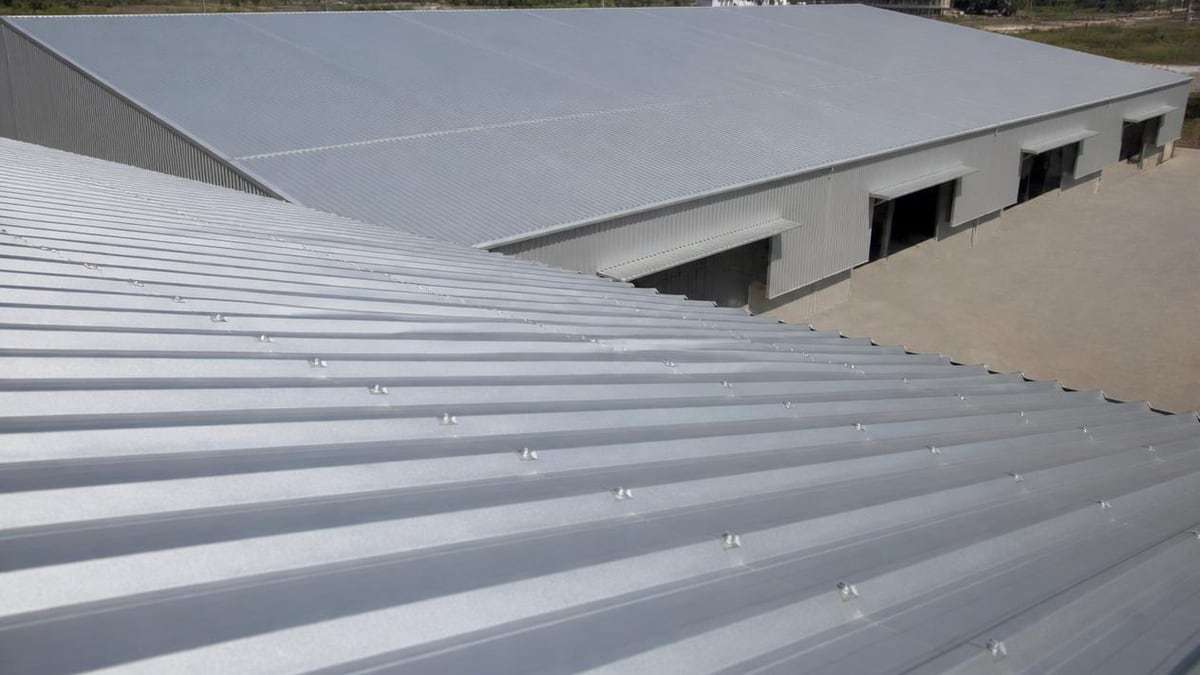
Nominal thickness should be paired with the applicable tolerance. Confusion can arise when quotations use different bases, such as base-metal thickness versus coated thickness. The purchase order should state the measurement basis, tolerance standard and whether values are nominal or minimum.
- Match ordered width to the roll-forming line and finished cover width.
- Confirm coil inside diameter, outside diameter and maximum coil mass for the equipment.
- Specify surface treatment, oiling or passivation and whether subsequent painting is planned.
- Use compatible fasteners and washers; avoid details that trap water or damage the zinc layer.
- Control sheet overlap, roof pitch, ridge and flashing design according to the roofing system.
Fencing Coil and Wire: Fabrication Route Matters
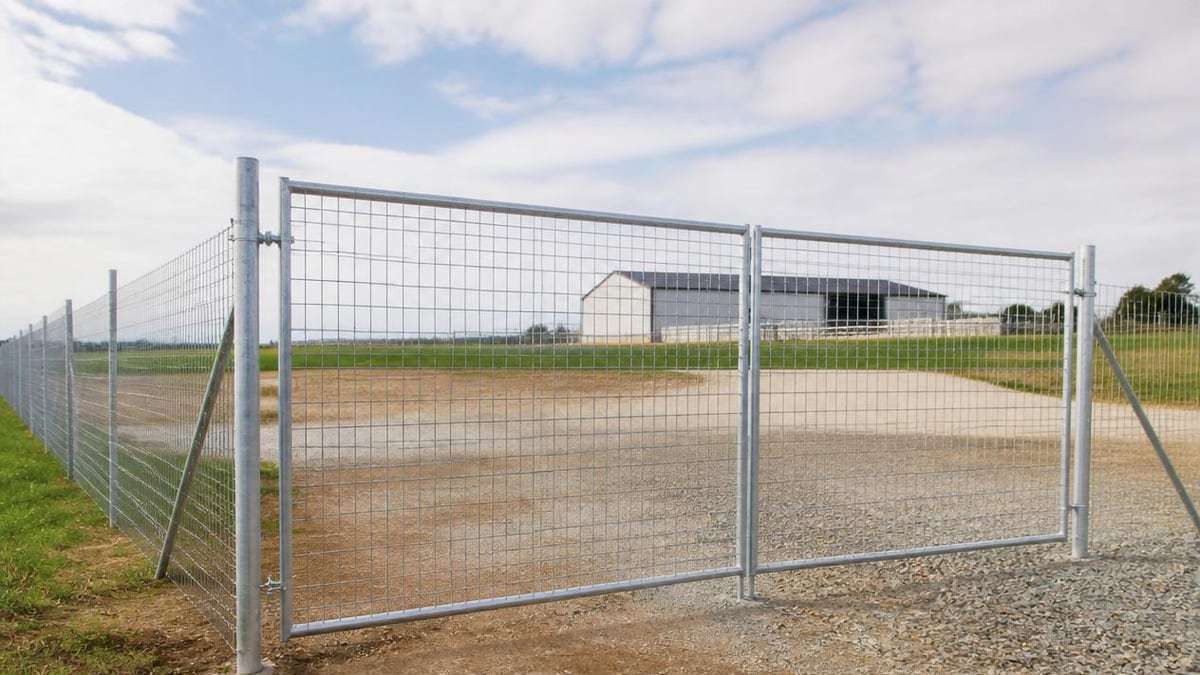
“Galvanized fencing” can describe different production routes. Wire may be galvanized before weaving or welding, or a fabricated fence component may receive coating after manufacture. Sheet fencing can be roll formed or corrugated from galvanized coil. These routes do not create identical coverage at welds, cut ends and formed areas.
Galvanized-before-fabrication
Efficient for many products, but welding, cutting or severe forming can disturb local protection and may require an agreed repair method.
Galvanized-after-fabrication
Can coat fabricated components, subject to process suitability, venting, drainage, dimensions and the relevant galvanizing specification.
Wire mesh
Define wire diameter, aperture, weld or weave type, coating requirement and roll or panel dimensions.
Sheet fencing
Define steel grade, thickness, coating, corrugation or profile, edge condition and supporting post spacing.
Surface Treatment, Storage and Ocean Shipping
Fresh galvanized surfaces can develop white corrosion products when moisture is trapped between closely packed sheets or coil wraps without airflow. This risk is especially important during long storage and ocean transport.
- 01
Define surface treatment
State passivation, oiling or other agreed treatment and confirm compatibility with painting or downstream fabrication.
- 02
Keep material dry
Use dry covered storage, prevent rain entry and avoid direct contact with wet floors or chemically treated timber.
- 03
Specify export packing
Require edge protection, secure bands, moisture-resistant wrapping, clear identification and handling instructions suitable for the route.
- 04
Act on wet packages
If water entry or condensation is found, separate and dry affected material promptly instead of leaving tightly packed surfaces wet.
Inspection and Documents Before Shipment
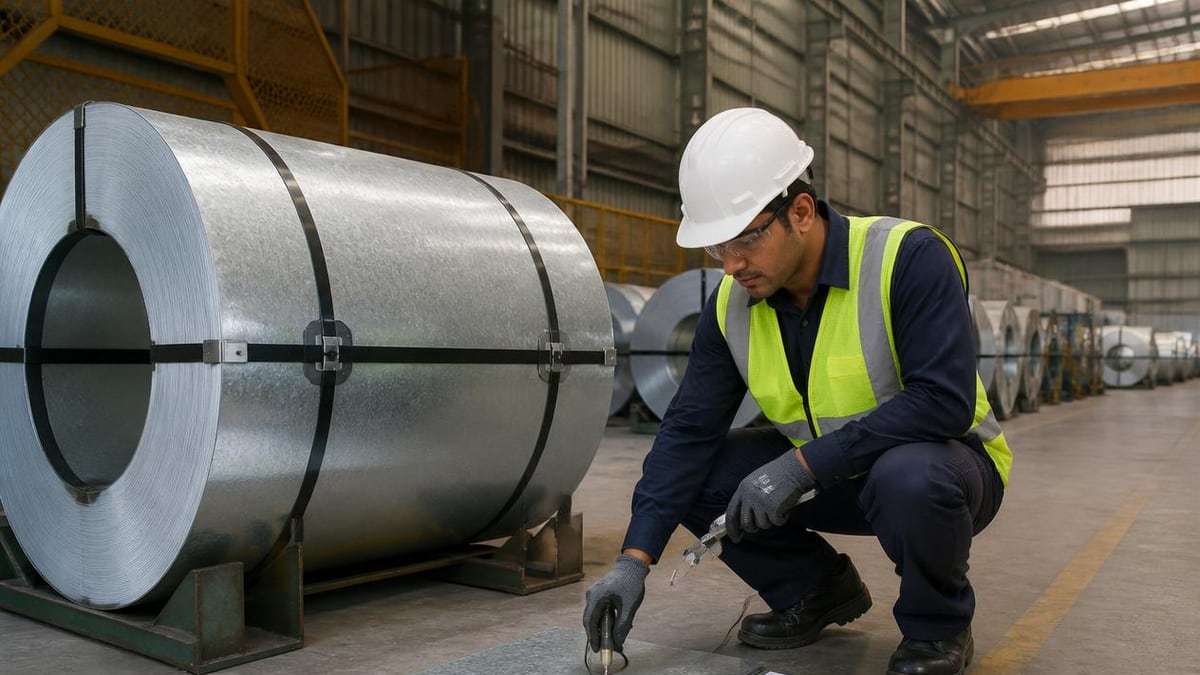
Inspection should connect the physical coil with the purchase specification and certificate. Sampling and test methods must follow the agreed standard; a single handheld reading is not a substitute for the required coating-mass test or inspection plan.
Traceability
Verify coil number, heat or batch reference, grade, dimensions and packing marks.
Dimensions
Check thickness and width with calibrated equipment using the agreed measurement basis.
Coating
Review the declared coating designation and applicable test results; use supplementary instruments only under an agreed method.
Surface
Check dents, scratches, edge damage, contamination, wet-storage staining and visible coating defects.
Forming trial
When important, confirm sample profiling, bend performance or compatibility with the buyer’s equipment.
Documents
Match the inspection certificate, packing list and product labels to the purchase order.
Galvanized Coil Purchase Checklist
- End use: roofing profile, sheet fence, mesh or wire product
- Applicable product standard and exact steel grade
- Nominal thickness and measurement basis
- Width, tolerances, coil ID and coil mass limits
- Metallic coating type, designation and test basis
- Surface finish, passivation and oiling requirements
- Forming, welding, cutting and repair requirements
- Service environment and appearance expectations
- Inspection certificate and test-report requirements
- Export packing, storage and handling instructions
Frequently Asked Questions
Is a heavier zinc coating always the best choice?
Not automatically. More zinc can improve the available sacrificial protection, but the correct choice also depends on standard, forming route, cut edges, detailing, environment and project economics.
Can the same galvanized coil be used for roofing and fencing?
Sometimes, but not by assumption. Roofing and fencing can require different grades, thicknesses, widths, forming behavior, coating levels and surface treatments. Compare the complete requirements for each finished product.
How should buyers compare coil thickness quotations?
Confirm whether thickness refers to base metal or coated product, which tolerance applies, and whether the quoted value is nominal, minimum or an average. Compare offers on the same basis.
What documents should accompany the shipment?
Request the agreed inspection certificate, packing list and coil identification showing consistency with the purchase order. Additional inspection or test reports should be specified before production.
Choose the Complete System, Not One Number
A reliable galvanized coil order links the finished roofing or fencing product to the steel grade, metallic coating, dimensions, fabrication route, exposure, inspection and packing. For more guidance on standards and coated products, visit the Steel Plate & Coil Guide.