

Hot-Dip After-Fabrication vs Pre-Galvanized Steel Pipe: Coating Route and Cut-Edge Differences
Steel Pipe & Tube Guide
Hot-Dip After-Fabrication vs Pre-Galvanized Steel Pipe: Coating Route and Cut-Edge Differences
Hot-dip-after-fabrication and pre-galvanized pipe can both use zinc for corrosion protection, but the zinc is applied at different points in the manufacturing sequence. That timing changes which surfaces are coated, what happens at welds and cut edges, how later fabrication should be handled, and what evidence a buyer should request.
How the Coating Sequence Changes the Product
In a pre-galvanized route, steel strip or another input is zinc-coated before it is formed into pipe. Forming, longitudinal joining, cutting and fabrication occur after the original coating step. The final pipe therefore combines factory-coated surfaces with areas created or affected later in the sequence.
In a hot-dip-after-fabrication route, the pipe, fitting or fabricated assembly is made first and then immersed in a galvanizing process as a completed article. The design and fabrication must be suitable for that later treatment, including drainage, venting, handling and the condition of surfaces before coating.
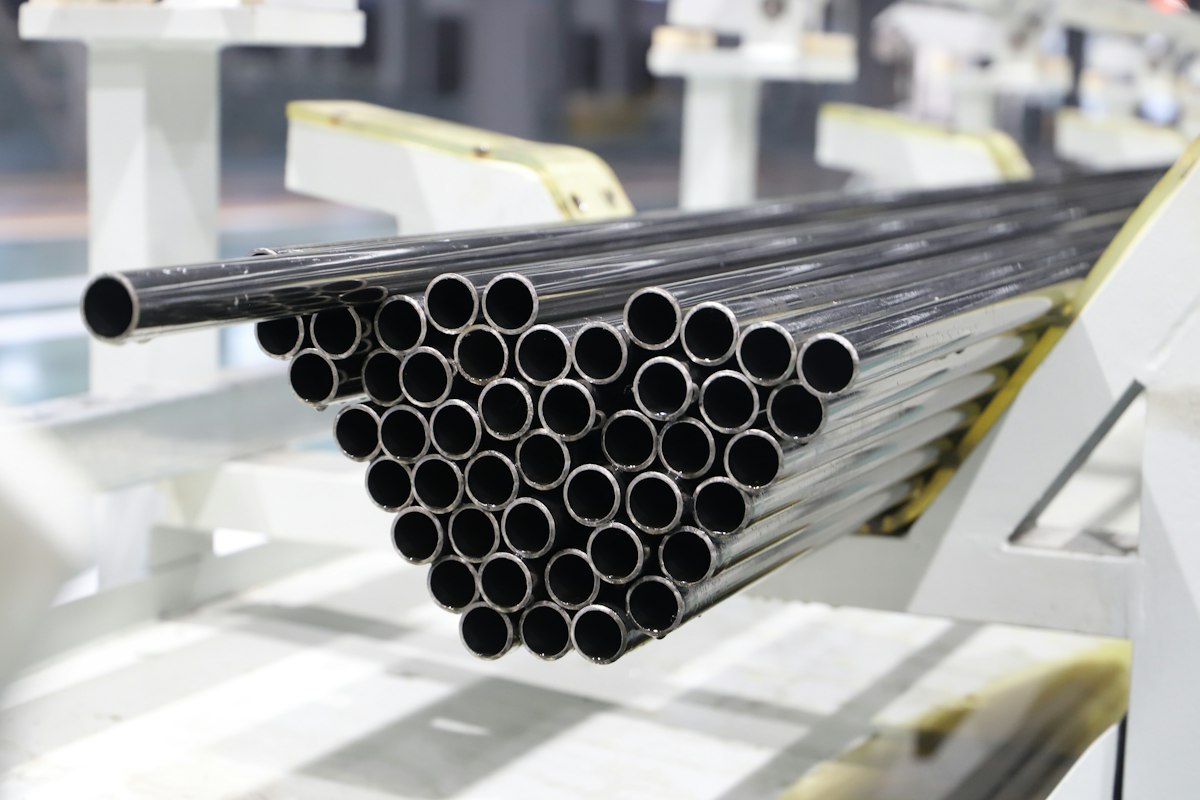
Coating Continuity: Where the Routes Differ
The practical distinction is not that one route is universally better. It is where coating continuity must be evaluated on the finished item. Buyers should separate four questions: the original coated surface, the longitudinal seam area, newly exposed cut ends, and any later welds or attachments.
| Buyer question | Pre-galvanized pipe | Hot-dip after fabrication |
|---|---|---|
| When is zinc applied? | Before pipe forming and most downstream fabrication. | After the article or assembly has been fabricated. |
| What requires special attention? | Seam area, cut ends, drilled or machined areas, and later welds. | Drainage and venting design, surface preparation, internal access, distortion risk and final coating inspection. |
| Can appearance confirm compliance? | No. Visual finish alone cannot establish coating mass, continuity, adhesion or conformity. | No. A bright, dull or varied zinc appearance is not by itself an acceptance result. |
| What should the order define? | Base product, coating route, seam treatment, repair requirements and evidence for affected areas. | Finished-article coating specification, fabrication suitability, required coverage and inspection evidence. |
Cut Edges, Welds and Downstream Fabrication
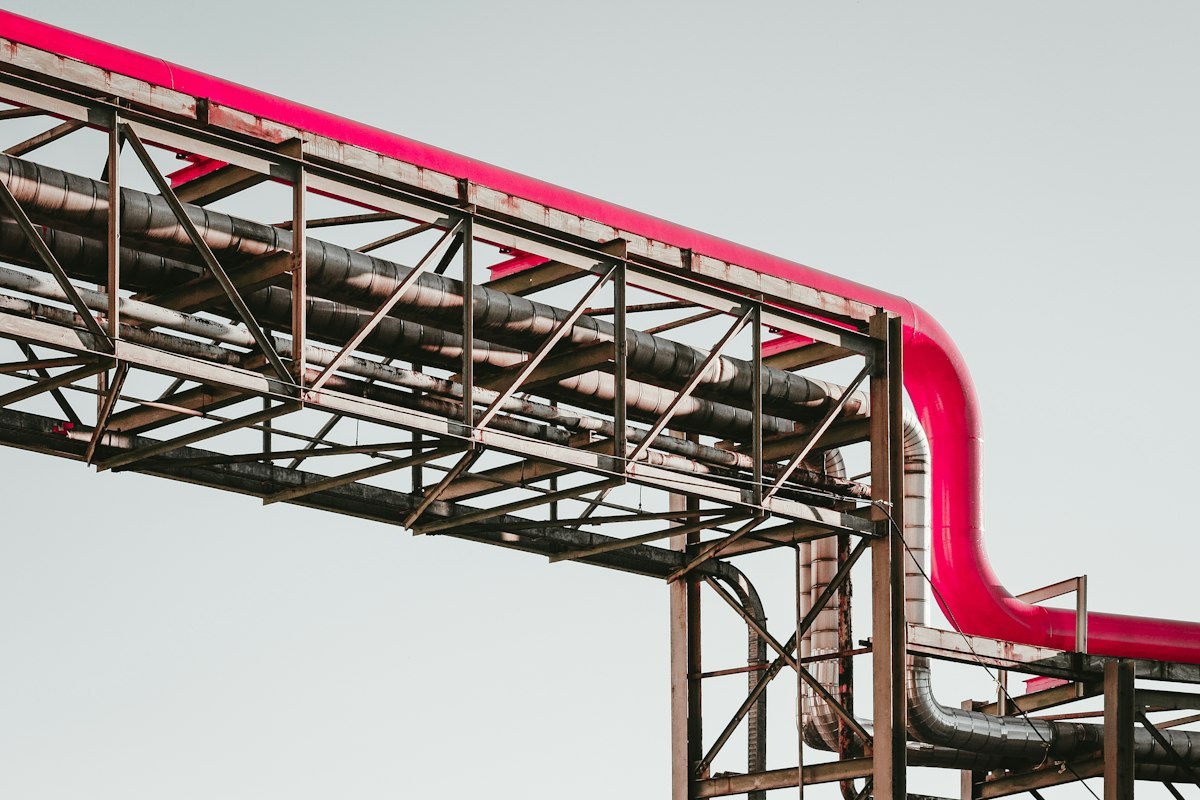
Cutting exposes a new edge. Welding can remove or alter nearby zinc and introduces a fabricated area that may need an agreed treatment. Drilling, grinding, threading and attachment welding can create similar local changes. The required response depends on the governing coating specification, the project environment, the size and function of the affected area, and the approved repair method.
Do not assume that a generic silver paint, an unspecified zinc-rich product or a visually similar finish automatically restores the original system. The purchase documents should identify who performs repair, which method is permitted, how the area is prepared, how evidence is recorded and who accepts the result.
- State whether pipe will be cut, threaded, welded, bent or assembled after delivery.
- Identify surfaces or ends that must remain protected through fabrication and transport.
- Require an approved repair procedure where the coating is damaged or removed.
- Separate cosmetic appearance from coating acceptance criteria.
- Confirm worker and process controls for any welding on zinc-coated material.
Appearance, Forming and Handling Trade-Offs
Appearance
Surface color, spangle, texture and local variation can differ with substrate, coating chemistry, cooling and handling. Use agreed visual requirements only where appearance is commercially important, and do not use photographs as a substitute for measurable criteria.
Forming
A pre-coated input must withstand the specified forming route without unacceptable damage. A completed fabricated article must be designed so the later galvanizing process can treat and drain it safely and effectively.
Handling
Both routes can be damaged by poor stacking, wet storage, abrasive contact or unprotected transport. Packaging and storage instructions should match the finish and destination conditions.
What Buyers Should Specify and Verify
A useful RFQ does more than request “GI pipe.” It defines the finished product and the route that creates it. If the project does not mandate a route, ask suppliers to declare the proposed sequence and identify how seams, cut edges, internal surfaces and fabricated areas are handled.
- Product definition: pipe type, dimensions, manufacturing route, length, ends and intended fabrication.
- Coating route: pre-galvanized input or hot dip after the article is fabricated.
- Coverage: external, internal, seam, ends, attachments and areas altered after coating.
- Governing documents: applicable coating standard and edition, drawings, project specification and approved deviations.
- Acceptance evidence: supplier declaration, material documents, coating records, repair records, marking and inspection photographs where required.

Coating-route decision matrix
| Order condition | Question to resolve before selection |
|---|---|
| Pipe will be extensively welded or assembled before service | Should the completed assembly be coated after fabrication, and is its design suitable for that process? |
| Pipe will be supplied in standard lengths and cut on site | What cut-edge protection and repair evidence are required after field processing? |
| Internal coverage matters | How will the selected route achieve, verify and document the required internal coating? |
| Appearance is visible to end users | Which visual attributes are agreed, and which measurable acceptance criteria govern? |
| Multiple standards or supplier routes are offered | Are the coating definitions, units, editions and acceptance methods actually comparable? |
Inspection Evidence Without Overclaiming
Inspection should follow the purchase requirements and the applicable standard rather than a generic internet checklist. Depending on the order, evidence may include traceability to the product, declared coating route, inspection of coverage and surface condition, records for repaired areas, dimensional checks after processing, packaging condition and certificate review.
A material test certificate may support base-material traceability, but it does not automatically prove every coating requirement. Likewise, a coating report does not replace confirmation that the pipe dimensions, ends, fabrication and marking match the PO. Reconcile the full document set with the delivered product.
Frequently Asked Questions
Is hot-dip-after-fabrication always more corrosion resistant?
No universal ranking is valid. Performance depends on the specified coating system, coverage, thickness or mass requirements, environment, fabrication details, damage, maintenance and acceptance criteria.
Does pre-galvanized pipe have uncoated cut edges?
Cutting creates newly exposed edge surfaces. The required treatment depends on the governing specification and project documents; do not assume the original face coating automatically covers a new cut.
Can I identify the galvanizing route from a photo?
Not reliably. Appearance can suggest a surface condition but cannot confirm process sequence, coating specification, mass, continuity, repair or compliance.
What wording should replace “galvanized pipe” in an RFQ?
State the product and dimensions, coating route, applicable standard and edition, required surfaces, seam and cut-edge treatment, downstream fabrication, inspection evidence, packaging and acceptance responsibility.
Buying Takeaway
The key difference is process timing. Pre-galvanized pipe is formed from coated input, while hot-dip-after-fabrication applies zinc to a completed article. That distinction changes how buyers evaluate seams, cut edges, later welds, internal coverage, repair, fabrication suitability and inspection evidence. Specify the route and the finished-product requirements together.