

H Beam Steel Grade Comparison: ASTM, EN and GB Standards
H Beam Steel Grade Comparison: ASTM, EN and GB Standards
Selecting an H-beam is not only a question of section size. The material standard, grade, delivery condition, toughness requirement, dimensional series and inspection documents must all match the structural design and contract.
This guide compares common purchasing contexts for ASTM A992, EN 10025 structural grades and Chinese GB/T H-beam specifications. It is a procurement overview, not a substitute for the project engineer’s material selection.
Separate the Section Standard from the Steel Grade
Buyers often place a dimensional standard and a material grade in the same sentence as if they were interchangeable. They serve different purposes. A section standard defines dimensions, mass and tolerances; a material standard defines chemical, mechanical and delivery requirements.
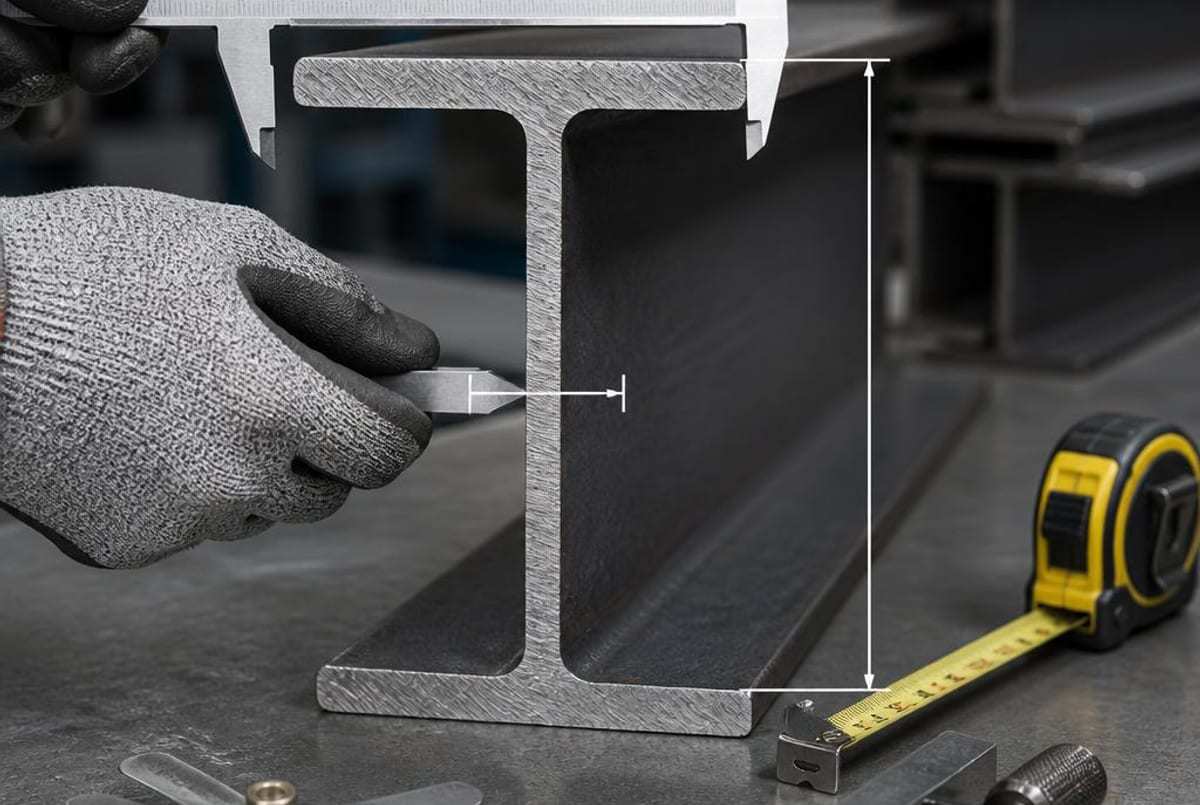
A complete specification normally identifies
- H-beam section designation and dimensional standard
- Material grade and material standard
- Delivery condition, impact testing and other options
- Length, tolerances and quantity
- Inspection document and traceability requirements
- Surface condition, marking and packing
Common Standard Systems at a Glance
| System | Typical designation context | Important buyer checks |
|---|---|---|
| United States | ASTM A992 for structural shapes; ASTM A6/A6M for general dimensional and delivery requirements | Section series, minimum properties, CVN requirement when specified, heat traceability and project code |
| European | EN 10025 grades such as S235, S275 and S355 with suffixes and delivery conditions; EN 10365 for many hot-rolled section dimensions | Full grade including suffix, impact class, delivery condition, CE/project documentation where applicable |
| Chinese | GB/T 11263 for hot-rolled H-section dimensions; material grades may be specified under applicable Chinese structural steel standards | Exact grade, quality level, dimensional series, test certificate and any export-project cross-reference |
The shorthand “A992 versus S355 versus Q355” is incomplete. These labels arise from different standards with different scopes, testing rules and permitted chemistry. Similar strength levels do not establish automatic equivalence.
ASTM A992: Structural Shapes for Building Frames
ASTM A992/A992M is widely associated with rolled structural shapes used in building framing. When A992 is specified, buyers should confirm that the requested W-shape or relevant section, test reporting and any project-specific toughness or supplementary requirements are available from the intended production route.
Do not replace A992 with generic A36 or another grade solely because a table shows a similar value. Substitution requires review of the governing design standard, specified properties, weldability, availability and engineer approval.
EN 10025: Grade, Suffix and Delivery Condition Matter
European structural grades are not fully identified by the base strength number alone. For example, S355JR, S355J0 and S355J2 have different impact-testing contexts, while +AR, +N or +M can indicate different delivery conditions where applicable.
An inquiry should reproduce the complete designation from the drawings or bill of materials. Omitting suffixes can result in material that meets a basic strength level but not the intended toughness or delivery requirement.
GB/T H-Beam Orders: Confirm Both Dimensions and Material
GB/T 11263 is used for dimensions, shape, mass and tolerances of hot-rolled H and cut T sections. The material grade must also be stated under its applicable standard and quality level. Common export inquiries may reference Q235 or Q355 families, but the complete grade and technical requirements should be copied from the design specification.
For a project designed under another national code, do not assume that changing only the grade label makes a GB-dimension section equivalent. Section geometry, mass, tolerances, connection detailing and design values must be reviewed together.
Where Grade Selection Changes the Purchase
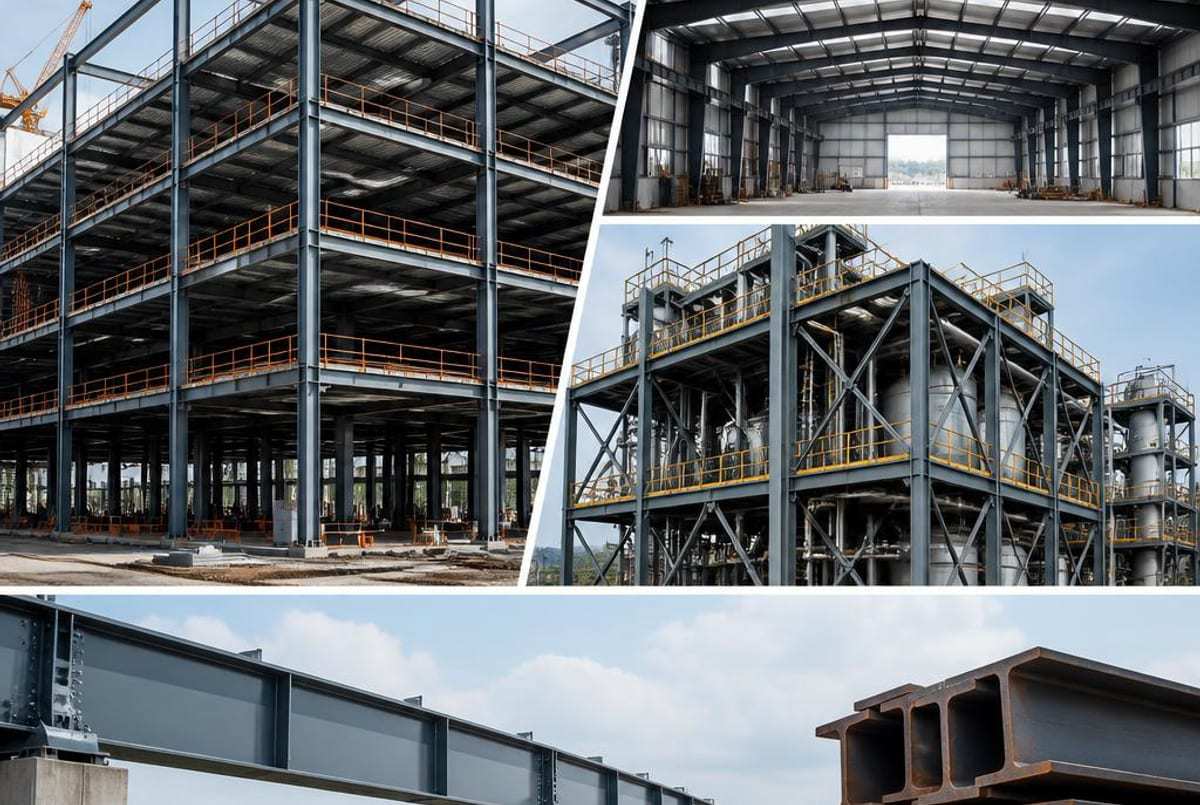
Multi-storey Frames
Strength, ductility, connection design, fire engineering and seismic requirements may control the approved grade and section series.
Warehouses
Economy is important, but span, crane loads, wind, fabrication method and local code determine whether a general or higher-strength grade is suitable.
Heavy Industrial Supports
Fatigue, dynamic equipment loads, thicker sections, weldability and toughness may require additional engineering and inspection provisions.
Long-Span Structures
Deflection, lateral stability and available section geometry can be as important as nominal yield strength.
Strength Is Only One Comparison Point
Mechanical Properties
Check yield and tensile requirements, elongation, thickness ranges and test orientation in the governing standard.
Weldability
Review chemistry, carbon-equivalent controls, section thickness and the qualified welding procedure.
Toughness
Impact requirements depend on grade suffix, temperature, section thickness and project specification.
Geometry and Tolerance
Depth, flange width, web and flange thickness, root radius, mass and straightness must match the selected section standard.
Verify the MTC and Heat Traceability
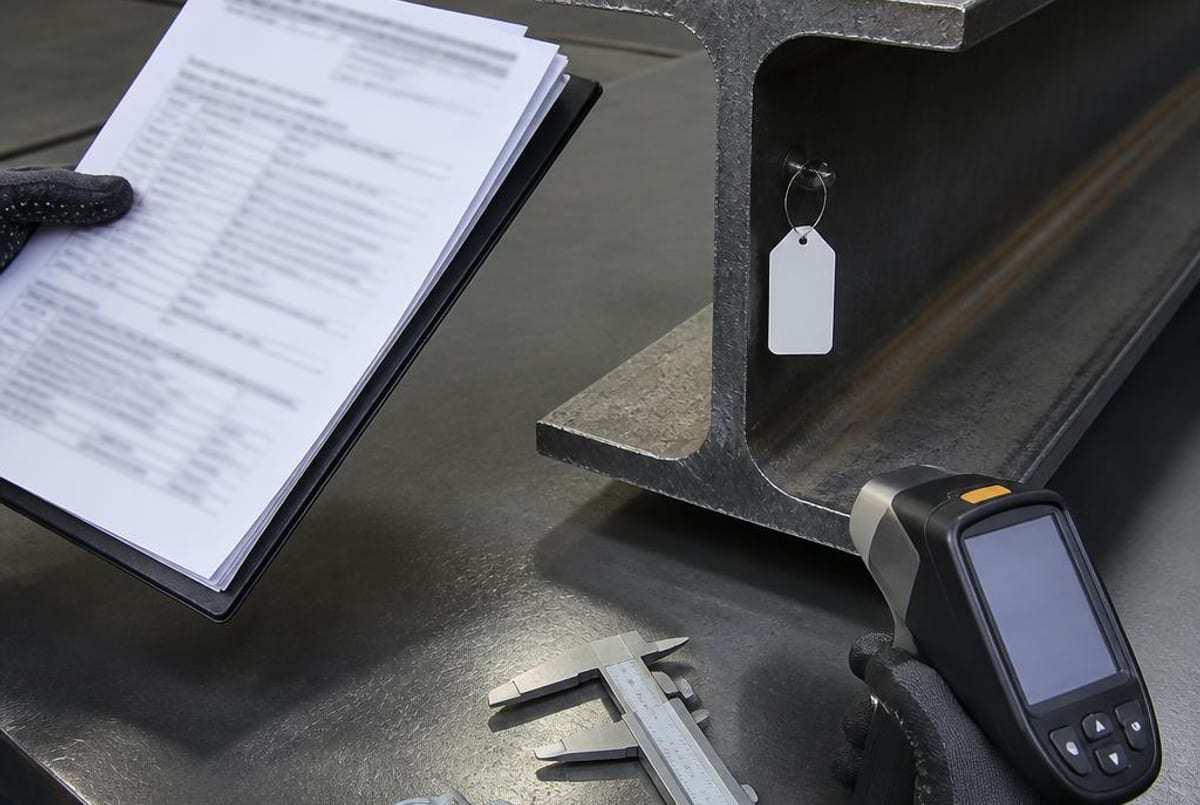
Before accepting a shipment, compare the purchase order, bundle marking and mill test certificate. The certificate should identify the manufacturer, standard, complete grade, heat number, dimensions, chemical results and mechanical test results required by the contract.
- Check that heat numbers remain traceable to the bundles.
- Confirm the inspection document type requested by the project.
- Review any impact-test, ultrasonic-test or third-party inspection requirements.
- Escalate unclear substitutions to the responsible engineer before shipment.
Practical Procurement Workflow
Start with the drawings
Copy the full section and material designations instead of translating them into an assumed equivalent.
Check supply availability
Ask which mills and rolling series can meet the dimensions, grade, length and test requirements.
Submit alternatives properly
Provide a documented comparison and obtain written engineering approval before changing a standard or grade.
Verify before dispatch
Review certificates, markings, dimensions, inspection records and packing against the approved order.
Frequently Asked Questions
Is ASTM A992 equivalent to S355 or Q355?
No automatic one-to-one equivalence should be assumed. They belong to different standards with different scopes, chemistry, testing and delivery requirements. A project engineer must review any proposed substitution.
Does GB/T 11263 define the H-beam steel grade?
It primarily addresses section dimensions, shape, mass and tolerances. The applicable material grade and technical delivery standard must also be stated in the order.
Can a higher yield strength grade always replace a lower grade?
No. Higher nominal strength does not automatically satisfy weldability, toughness, ductility, connection, fatigue or code requirements. Availability and section geometry may also differ.
What information should be sent for an H-beam quotation?
Send the section designation, dimensional standard, full material grade, length, quantity, delivery condition, impact or additional testing, inspection document, surface requirement, packing and destination port.
Compare Standards Before Confirming the Order
The safest H-beam purchase keeps geometry, material properties, project code and documentation aligned. Junnan Steel can review an H-beam schedule and identify the information needed for a compliant quotation. Explore our structural steel guides, browse the product catalog, or contact our team.